c4561630-b3e8-4d61-ab64-7aeac7914b4f

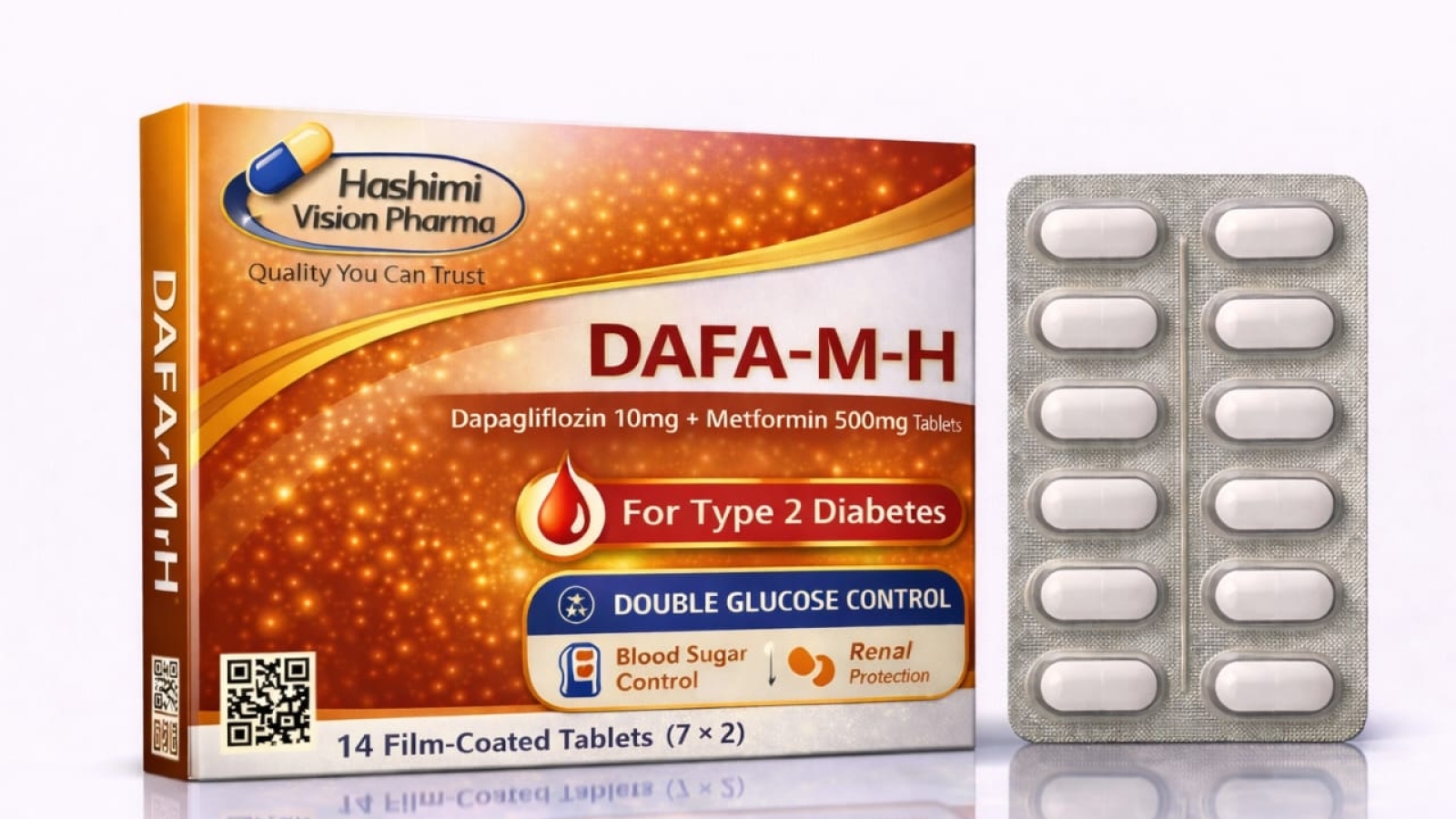
DAFA-M-H Tablets

DAFA-M-H Tablets
Generic Name:
Dapagliflozin 10 mg + Metformin Hydrochloride 500 mg
Therapeutic Group:
Antidiabetic Agents
Drug Category:
SGLT2 Inhibitor + Biguanide Combination
Content / Composition:
Each film-coated tablet contains:
Dapagliflozin …………………………… 10 mg
Metformin Hydrochloride ………… 500 mg
Excipients ……………………………… q.s.
Indications:
DAFA-M-H is indicated for:
Type 2 Diabetes Mellitus
Patients inadequately controlled on metformin alone
Combination therapy to improve glycemic control
Reduction of cardiovascular risk in diabetic patients
Renal protection in diabetic nephropathy
Dosage:
Usual dose: One tablet once or twice daily
Recommended to be taken with meals (to reduce GI side effects of metformin)
Dose adjustment based on patient condition and renal function
As directed by the physician
Contraindications:
Hypersensitivity to dapagliflozin or metformin
Type 1 Diabetes Mellitus
Diabetic ketoacidosis
Severe renal impairment (eGFR <30 mL/min/1.73 m²)
Severe hepatic impairment
Conditions predisposing to lactic acidosis
Pregnancy and lactation
Administration:
Oral administration with meals
Swallow whole with water
Do not crush or chew
Maintain proper hydration
Drug Interactions:
Insulin / Sulfonylureas → Increased risk of hypoglycemia
Diuretics → Increased dehydration risk
Alcohol → Increased risk of lactic acidosis
Cationic drugs (e.g., cimetidine) → May affect metformin elimination
Nephrotoxic drugs → Monitor renal function
Compatibility:
Compatible with insulin, DPP-4 inhibitors, GLP-1 analogs
Suitable for combination diabetes therapy
Effective dual mechanism (renal glucose excretion + reduced hepatic glucose production)
Stability / Storage:
Store below 25°C
Protect from moisture, light, and heat
Keep out of reach of children
Precautions:
Monitor renal function regularly
Risk of lactic acidosis (metformin component)
Risk of dehydration and hypotension (dapagliflozin)
Increased risk of urinary/genital infections
Temporarily discontinue before major surgery or contrast imaging
Use cautiously in elderly patients
Side Effects:
Common:
Gastrointestinal upset (nausea, diarrhea)
Increased urination
Genital infections
Headache
Uncommon:
Dizziness
Hypotension
Vitamin B12 deficiency (long-term metformin use)
Serious (Rare):
Lactic acidosis
Diabetic ketoacidosis
Acute kidney injury
Clinical Note:
DAFA-M-H provides a dual mechanism of action by combining dapagliflozin (renal glucose excretion) and metformin (hepatic glucose suppression), offering superior glycemic control along with cardiovascular and renal benefits. It is widely used in modern diabetes management protocols.
WhatsApp-Image-2026-04-11-at-7.18.28-AM (27)

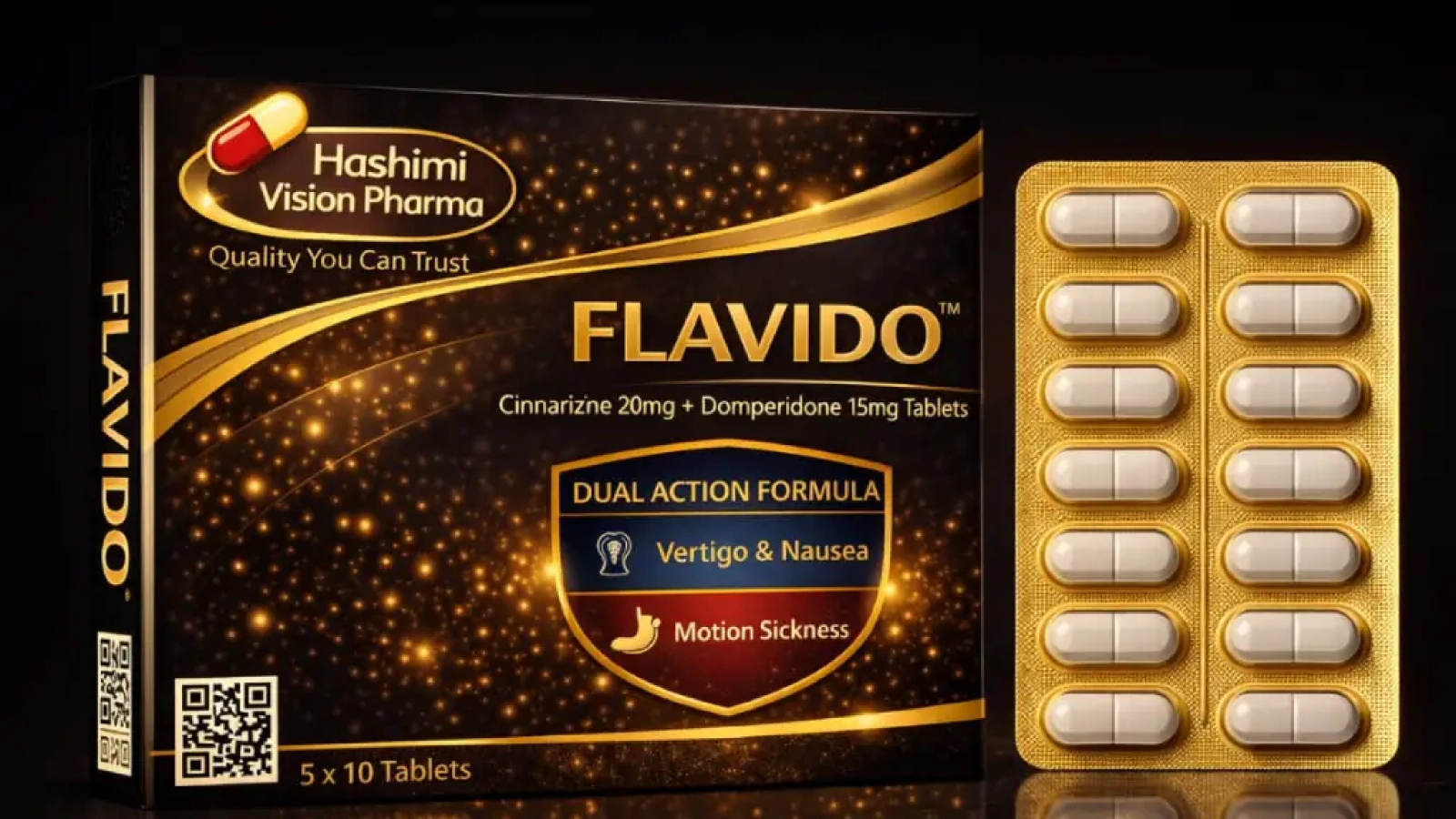
FLAVIDO™ Tablets

FLAVIDO™ Tablets
Generic Name:
Cinnarizine 20 mg + Domperidone 15 mg
Therapeutic Group:
Anti-Vertigo & Antiemetic Agents
Drug Category:
Calcium Channel Blocker (Cinnarizine) + Dopamine Antagonist (Domperidone)
Content / Composition:
Each tablet contains:
Cinnarizine …………………………… 20 mg
Domperidone ………………………… 15 mg
Excipients ……………………………… q.s.
Indications:
FLAVIDO is indicated for:
Vertigo (vestibular disorders)
Nausea and vomiting
Motion sickness
Ménière’s disease
Balance disorders
Gastrointestinal-related nausea
Dosage:
Adults: 1 tablet 2–3 times daily
Preferably taken before meals
Dose may be adjusted based on severity
For motion sickness: take 1 tablet 1–2 hours before travel
As directed by the physician
Contraindications:
Hypersensitivity to cinnarizine or domperidone
Prolactin-secreting tumors (prolactinoma)
Severe hepatic impairment
Gastrointestinal obstruction or bleeding
Known cardiac arrhythmias or prolonged QT interval
Concomitant use with strong CYP3A4 inhibitors
Administration:
Oral use with water
Best taken before meals
Do not exceed recommended dose
Drug Interactions:
CYP3A4 inhibitors (e.g., ketoconazole, erythromycin) → Increased domperidone levels
CNS depressants → Enhanced sedative effect
Anticholinergics → May reduce effect of cinnarizine
QT-prolonging drugs → Increased cardiac risk
Compatibility:
Can be used with anti-vertigo and antiemetic therapies
Suitable for short-term and symptomatic management
Dual-action provides central and peripheral symptom control
Stability / Storage:
Store below 25°C
Protect from moisture and light
Keep out of reach of children
Precautions:
Use cautiously in elderly patients
May cause drowsiness — avoid driving or operating machinery
Monitor cardiac patients carefully
Avoid long-term use without medical supervision
Use cautiously in Parkinson’s disease (cinnarizine effect)
Side Effects:
Common:
Drowsiness
Dry mouth
Fatigue
Gastrointestinal discomfort
Uncommon:
Weight gain
Headache
Dizziness
Serious (Rare):
Extrapyramidal symptoms
Cardiac arrhythmias (QT prolongation)
Hyperprolactinemia (domperidone-related)
Clinical Note:
FLAVIDO™ offers a dual-action mechanism combining vestibular suppression (cinnarizine) and antiemetic activity (domperidone), making it highly effective for managing vertigo, motion sickness, and nausea with rapid symptomatic relief.

WhatsApp-Image-2026-04-11-at-7.18.28-AM (25)

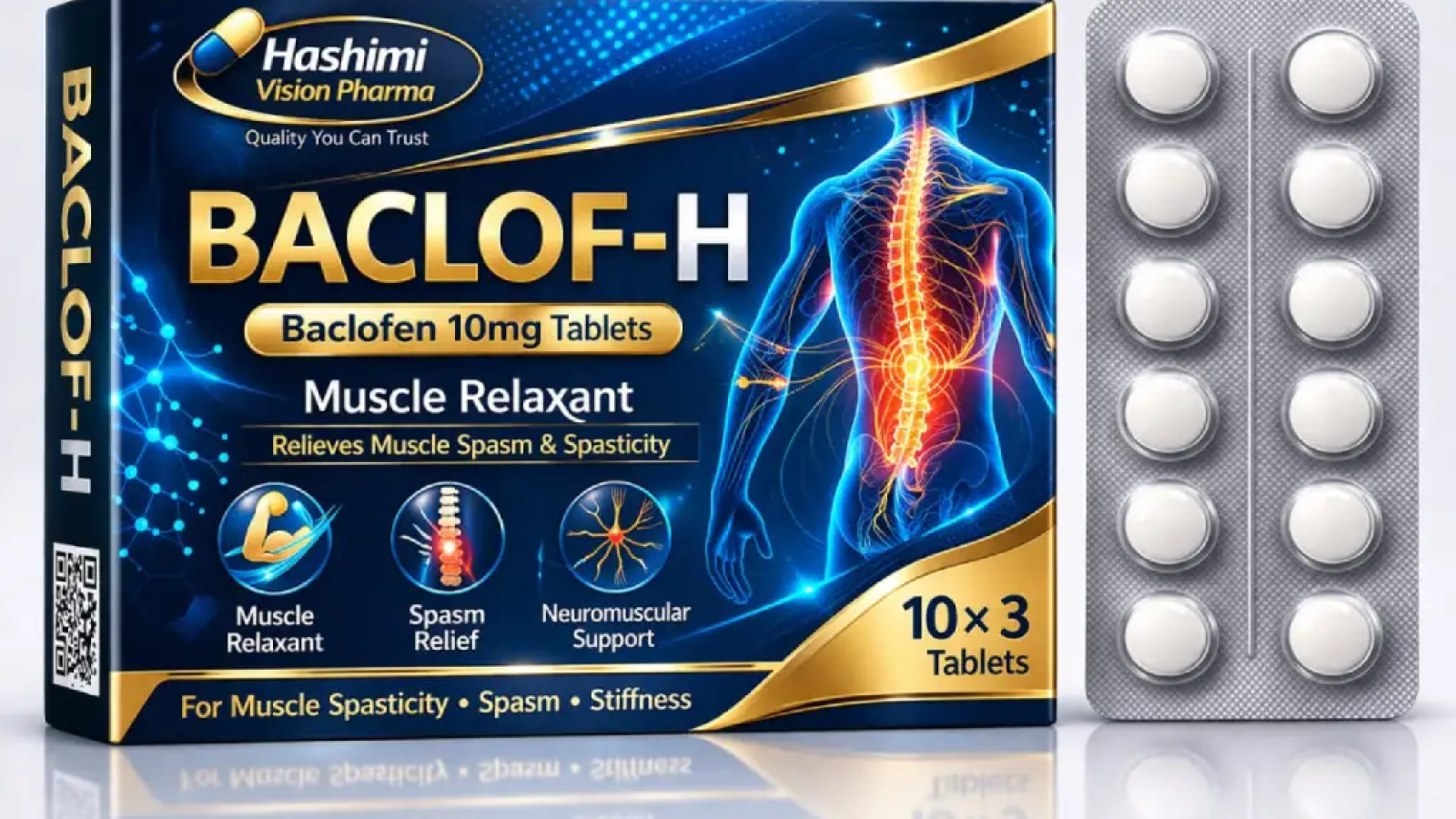
BACLOF-H Tablets

BACLOF-H Tablets
Generic Name:
Baclofen 10 mg
Therapeutic Group:
Skeletal Muscle Relaxants
Drug Category:
GABA-B Receptor Agonist (Centrally Acting Muscle Relaxant)
Content / Composition:
Each tablet contains:
Baclofen ……………………………… 10 mg
Excipients …………………………… q.s.
Indications:
BACLOF-H is indicated for:
Muscle spasticity of spinal origin
Multiple sclerosis–related spasticity
Spinal cord injuries
Cerebral palsy
Muscle stiffness and spasms
Neuromuscular disorders
Dosage:
Initial dose: 5 mg three times daily
Gradually increase every 3–7 days based on response
Usual maintenance dose: 30–80 mg per day in divided doses
Maximum dose: As per physician recommendation
Do not discontinue abruptly
As directed by the physician
Contraindications:
Hypersensitivity to baclofen
History of severe renal impairment (without dose adjustment)
Use cautiously in epilepsy patients
Peptic ulcer disease (with caution)
Administration:
Oral use with or after food
Swallow with water
Gradual dose titration required
Gradual withdrawal recommended to avoid withdrawal symptoms
Drug Interactions:
CNS depressants (e.g., benzodiazepines, alcohol) → Increased sedation
Antihypertensives → Enhanced hypotensive effect
Antidepressants → May enhance CNS depression
Levodopa → Risk of hallucinations and confusion
Compatibility:
Can be used with physiotherapy and rehabilitation programs
Suitable for long-term management under medical supervision
Effective in combination with other neuromuscular therapies
Stability / Storage:
Store below 25°C
Protect from moisture and light
Keep out of reach of children
Precautions:
Avoid sudden discontinuation (risk of withdrawal, seizures, hallucinations)
Use cautiously in renal impairment
May cause sedation — avoid driving or machinery
Monitor elderly patients closely
Use cautiously in psychiatric disorders
Side Effects:
Common:
Drowsiness
Dizziness
Weakness
Fatigue
Uncommon:
Hypotension
Confusion
Nausea
Serious (Rare):
Respiratory depression
Seizures (withdrawal-related)
Hallucinations
Bradycardia
Clinical Note:
BACLOF-H (Baclofen) acts centrally on GABA-B receptors to reduce muscle spasticity and improve mobility. It is widely used in neurological conditions requiring long-term spasm control and neuromuscular stabilization.

WhatsApp-Image-2026-04-11-at-7.18.28-AM (24)

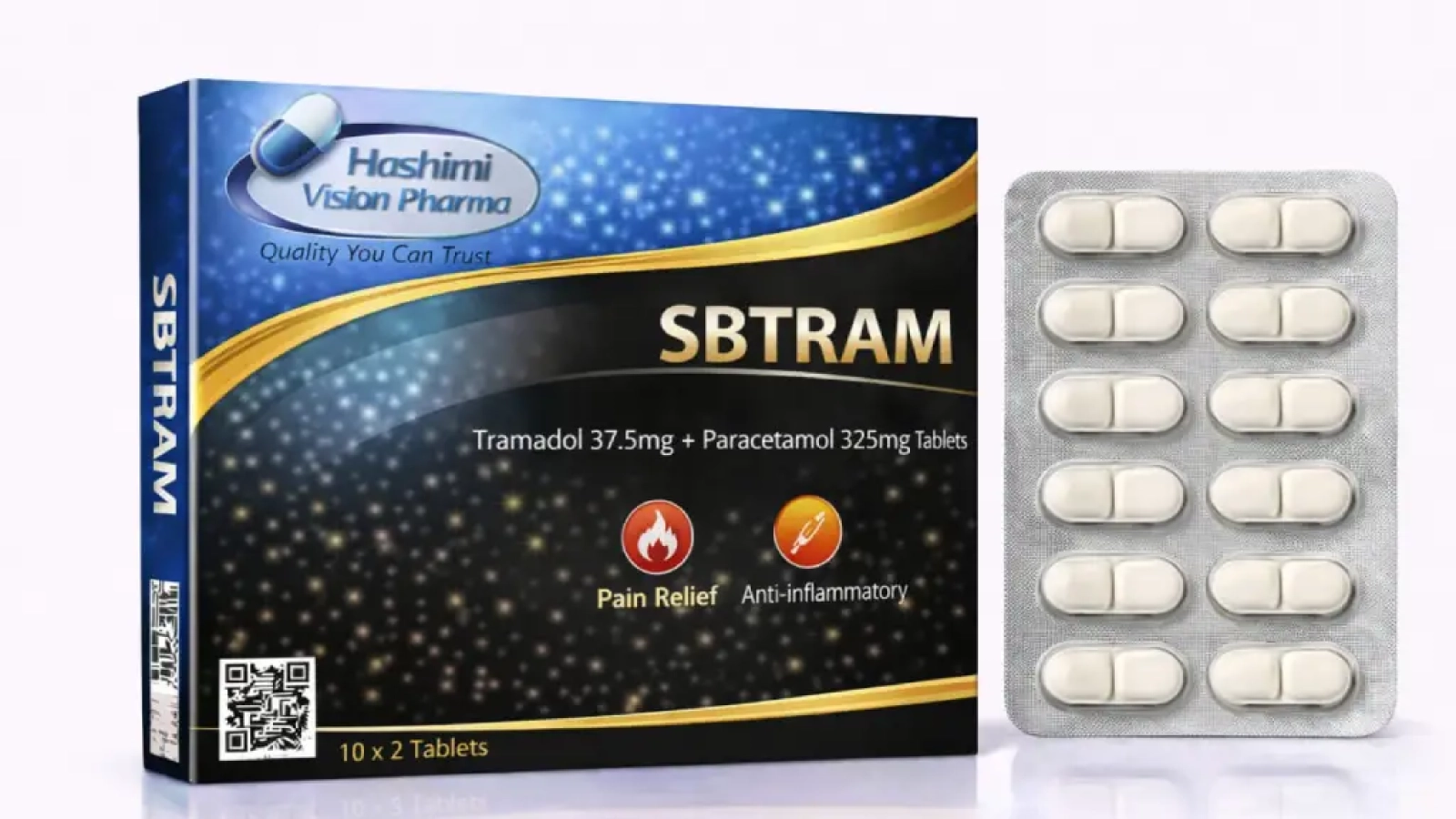
SBTRAM Tablets

SBTRAM Tablets
Generic Name:
Tramadol Hydrochloride 37.5 mg + Paracetamol 325 mg
Therapeutic Group:
Analgesics (Pain Management)
Drug Category:
Opioid Analgesic + Non-Opioid Analgesic Combination
Content / Composition:
Each tablet contains:
Tramadol Hydrochloride ………… 37.5 mg
Paracetamol (Acetaminophen) … 325 mg
Excipients ……………………………… q.s.
Indications:
SBTRAM is indicated for:
Moderate to severe pain
Musculoskeletal pain
Post-operative pain
Dental pain
Trauma-related pain
Chronic pain conditions (under medical supervision)
Dosage:
Adults: 1–2 tablets every 4–6 hours as needed
Maximum daily dose:
Tramadol: 300 mg/day
Paracetamol: 4000 mg/day
Use the lowest effective dose for the shortest duration
As directed by the physician
Contraindications:
Hypersensitivity to tramadol, paracetamol, or opioids
Severe respiratory depression
Acute intoxication with alcohol, hypnotics, or CNS depressants
Severe hepatic impairment
Epilepsy (uncontrolled)
Children under 12 years
Use with MAO inhibitors (within 14 days)
Administration:
Oral use with or without food
Swallow with water
Do not exceed recommended dose
Avoid alcohol during treatment
Drug Interactions:
CNS depressants → Increased sedation and respiratory depression
SSRIs / SNRIs → Risk of serotonin syndrome
MAO inhibitors → Severe interactions
Warfarin → Increased bleeding risk
Hepatotoxic drugs → Increased liver risk (paracetamol)
Compatibility:
Suitable for short-term pain management
Can be used with anti-inflammatory therapies (under supervision)
Effective multimodal analgesia
Stability / Storage:
Store below 25°C
Protect from moisture and light
Keep out of reach of children
Precautions:
Risk of dependence and abuse (tramadol component)
Use cautiously in elderly patients
Monitor liver function (paracetamol)
Avoid long-term use without supervision
Risk of respiratory depression
Use caution in patients with seizure disorders
Side Effects:
Common:
Nausea
Dizziness
Drowsiness
Constipation
Uncommon:
Sweating
Dry mouth
Headache
Serious (Rare):
Respiratory depression
Seizures
Serotonin syndrome
Liver toxicity (overdose)
Clinical Note:
SBTRAM provides dual-action pain relief by combining the central opioid effect of tramadol with the peripheral analgesic action of paracetamol, offering effective and rapid relief in moderate to severe pain conditions.

WhatsApp-Image-2026-04-11-at-7.18.28-AM (23)

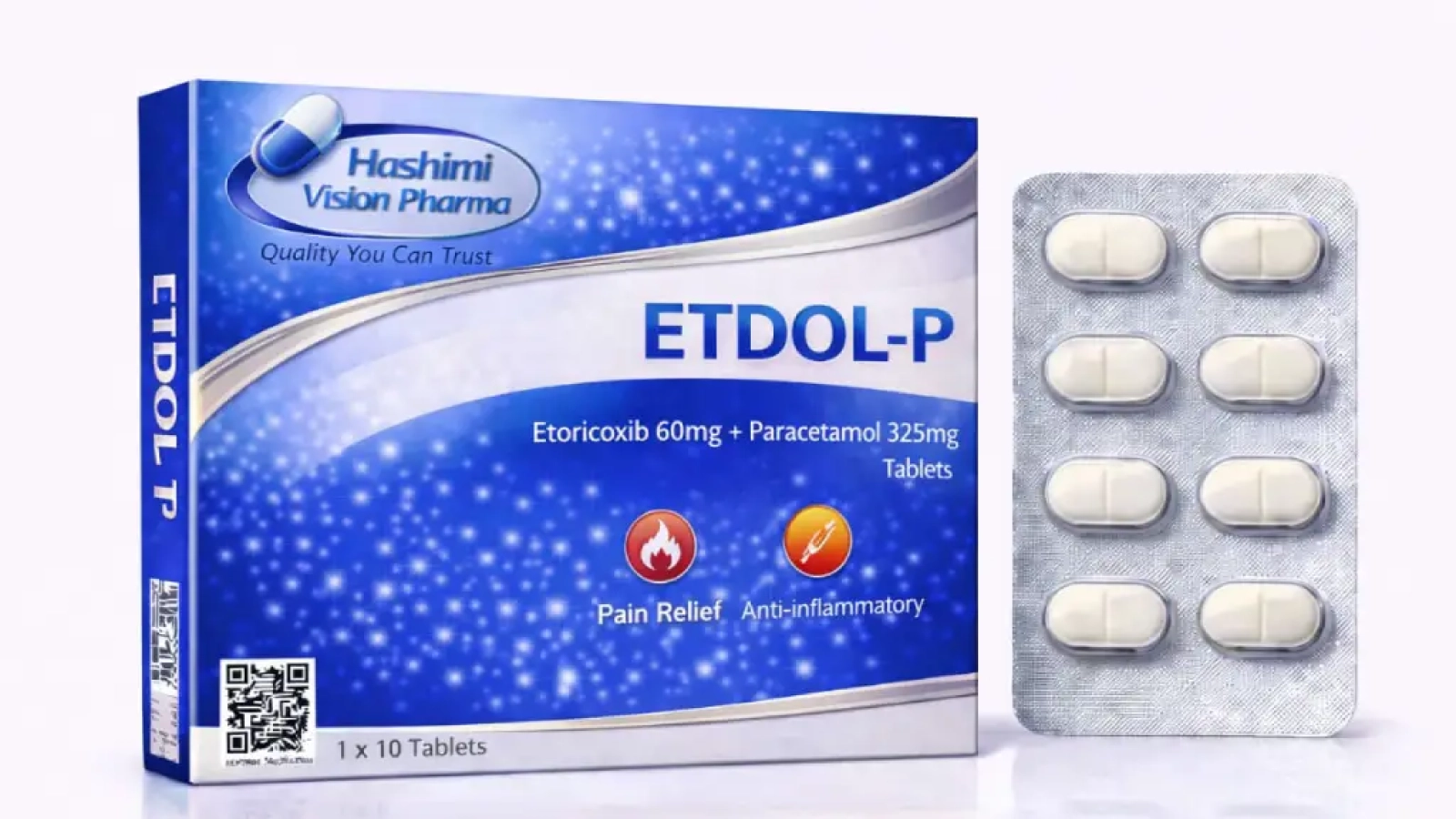
ETDOL-P Tablets

ETDOL-P Tablets
Generic Name:
Etoricoxib 60 mg + Paracetamol 325 mg
Therapeutic Group:
Analgesic & Anti-inflammatory
Drug Category:
Selective COX-2 Inhibitor (NSAID) + Non-Opioid Analgesic
Content / Composition:
Each film-coated tablet contains:
Etoricoxib ………………… 60 mg
Paracetamol …………… 325 mg
Excipients ………………… q.s.
Indications:
ETDOL-P is indicated for:
Osteoarthritis
Rheumatoid arthritis
Ankylosing spondylitis
Acute musculoskeletal pain
Dental pain
Post-operative pain
Dysmenorrhea (menstrual pain)
Acute gouty arthritis (pain management)
Dosage:
Adults: 1 tablet once daily or as directed by physician
In acute pain: may be used short-term under supervision
Maximum duration: use lowest effective dose for shortest time
Contraindications:
Hypersensitivity to etoricoxib, paracetamol, or NSAIDs
Active peptic ulcer or gastrointestinal bleeding
Severe hepatic impairment
Severe renal impairment
Established cardiovascular disease (e.g., ischemic heart disease, stroke)
Uncontrolled hypertension
Pregnancy (especially 3rd trimester)
Administration:
Oral use, with or without food
Swallow whole with water
Do not exceed recommended dose
Avoid concurrent use with other NSAIDs
Drug Interactions:
Anticoagulants (e.g., warfarin) → Increased bleeding risk
ACE inhibitors / ARBs → Reduced renal function
Diuretics → Reduced efficacy, risk of kidney issues
Other NSAIDs → Increased GI risk
Hepatotoxic drugs → Increased liver risk (paracetamol)
Compatibility:
Suitable for inflammatory pain conditions
Can be combined with gastroprotective agents if needed
Effective for both pain and inflammation control
Stability / Storage:
Store below 25°C
Protect from light and moisture
Keep out of reach of children
Precautions:
Increased cardiovascular risk with long-term use
Use cautiously in elderly patients
Monitor liver and kidney function
Avoid in patients with history of GI bleeding
Not for long-term uncontrolled use
Side Effects:
Common:
Headache
Dizziness
Nausea
Dyspepsia
Uncommon:
Edema
Hypertension
Abdominal pain
Serious (Rare):
Cardiovascular events (MI, stroke)
GI bleeding
Liver toxicity
Severe skin reactions
Clinical Note:
ETDOL-P combines the selective anti-inflammatory action of etoricoxib (COX-2 inhibitor) with the analgesic effect of paracetamol, providing fast, effective, and targeted pain relief with improved gastrointestinal tolerability compared to traditional NSAIDs.

WhatsApp-Image-2026-04-11-at-7.18.28-AM (22)

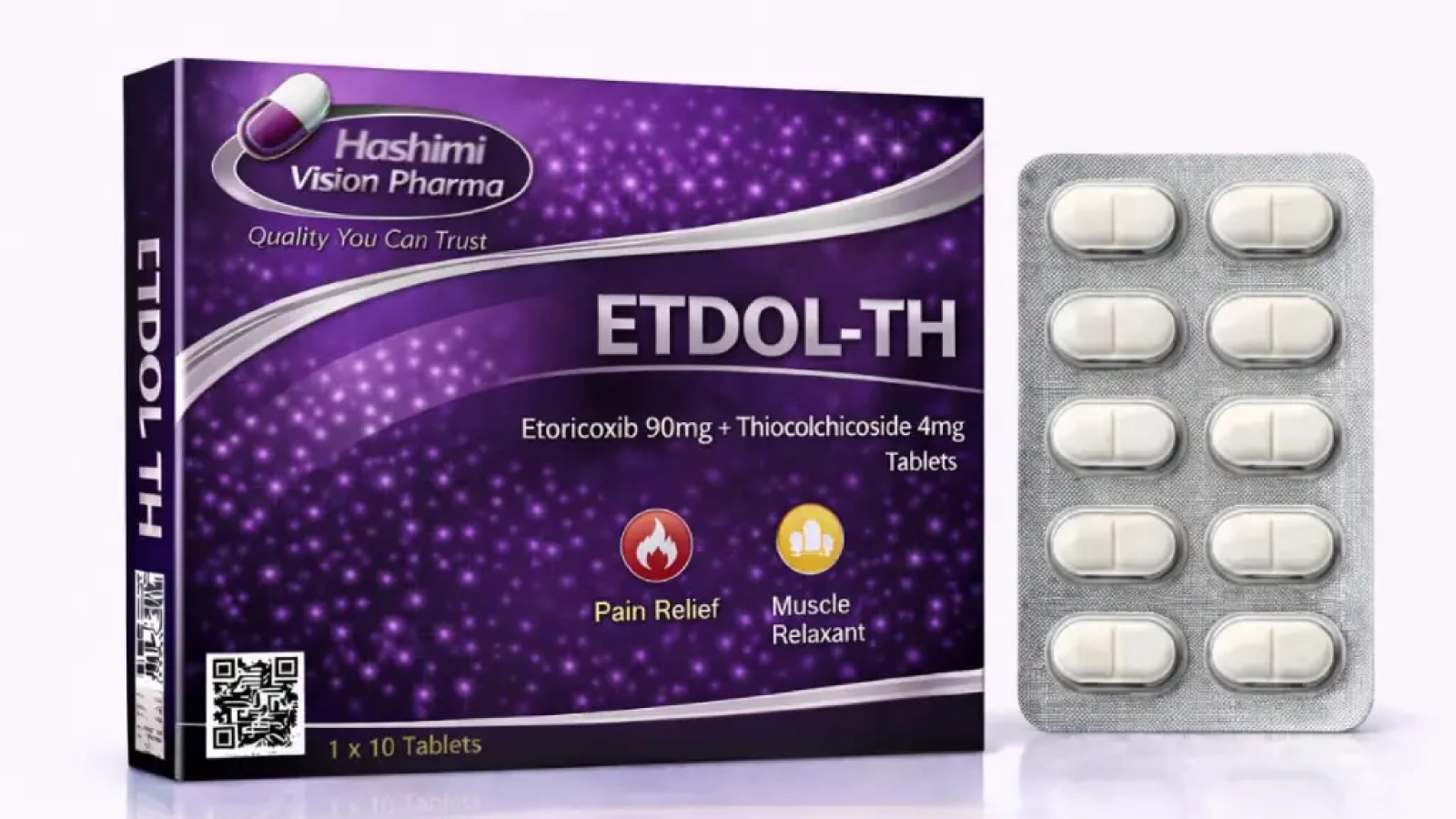
ETDOL-TH Tablets

ETDOL-TH Tablets
Generic Name:
Etoricoxib 90 mg + Thiocolchicoside 4 mg
Therapeutic Group:
Analgesic, Anti-inflammatory & Muscle Relaxant
Drug Category:
Selective COX-2 Inhibitor (NSAID) + Centrally Acting Muscle Relaxant
Content / Composition:
Each film-coated tablet contains:
Etoricoxib ………………… 90 mg
Thiocolchicoside ……… 4 mg
Excipients ………………… q.s.
Indications:
ETDOL-TH is indicated for:
Acute musculoskeletal pain
Low back pain (Lumbago)
Cervical and lumbar spondylosis
Muscle spasm associated with spine disorders
Sciatica
Post-traumatic muscle spasm
Orthopedic conditions with inflammation and stiffness
Dosage:
Adults: 1 tablet once daily or as directed by physician
Duration: Short-term use (usually 5–7 days)
Do not exceed recommended duration due to muscle relaxant safety profile
Contraindications:
Hypersensitivity to etoricoxib, thiocolchicoside, or NSAIDs
Active peptic ulcer or GI bleeding
Severe hepatic or renal impairment
Pregnancy and lactation
Women of childbearing potential not using contraception (thiocolchicoside warning)
Neuromuscular disorders (e.g., epilepsy risk)
Administration:
Oral use, preferably after food
Swallow with sufficient water
Avoid alcohol during treatment
Use strictly under medical supervision
Drug Interactions:
Anticoagulants → Increased bleeding risk
CNS depressants → Increased sedation
Other NSAIDs → Increased GI toxicity
Antihypertensives → Reduced effect
Drugs lowering seizure threshold → Increased risk (thiocolchicoside)
Compatibility:
Ideal for patients with pain + muscle spasm combination
Suitable for orthopedic and neurological pain conditions
Can be combined with physiotherapy for better outcomes
Stability / Storage:
Store below 25°C
Protect from light and moisture
Keep out of reach of children
Precautions:
Use for short duration only (important for thiocolchicoside safety)
Monitor liver and kidney function
Use cautiously in elderly patients
Avoid prolonged use due to cardiovascular risk (etoricoxib)
Not recommended in chronic long-term therapy
Side Effects:
Common:
Dizziness
Drowsiness
Nausea
Gastric discomfort
Uncommon:
Diarrhea
Edema
Increased blood pressure
Serious (Rare):
Seizures (thiocolchicoside-related)
GI bleeding
Cardiovascular events
Hepatic dysfunction
Clinical Note:
ETDOL-TH provides a dual-action approach by combining:
Etoricoxib → potent anti-inflammatory & pain relief
Thiocolchicoside → effective muscle relaxation
This combination is highly effective for acute painful muscle spasm conditions, delivering fast relief, improved mobility, and reduced stiffness.

WhatsApp-Image-2026-04-11-at-7.18.28-AM (21)

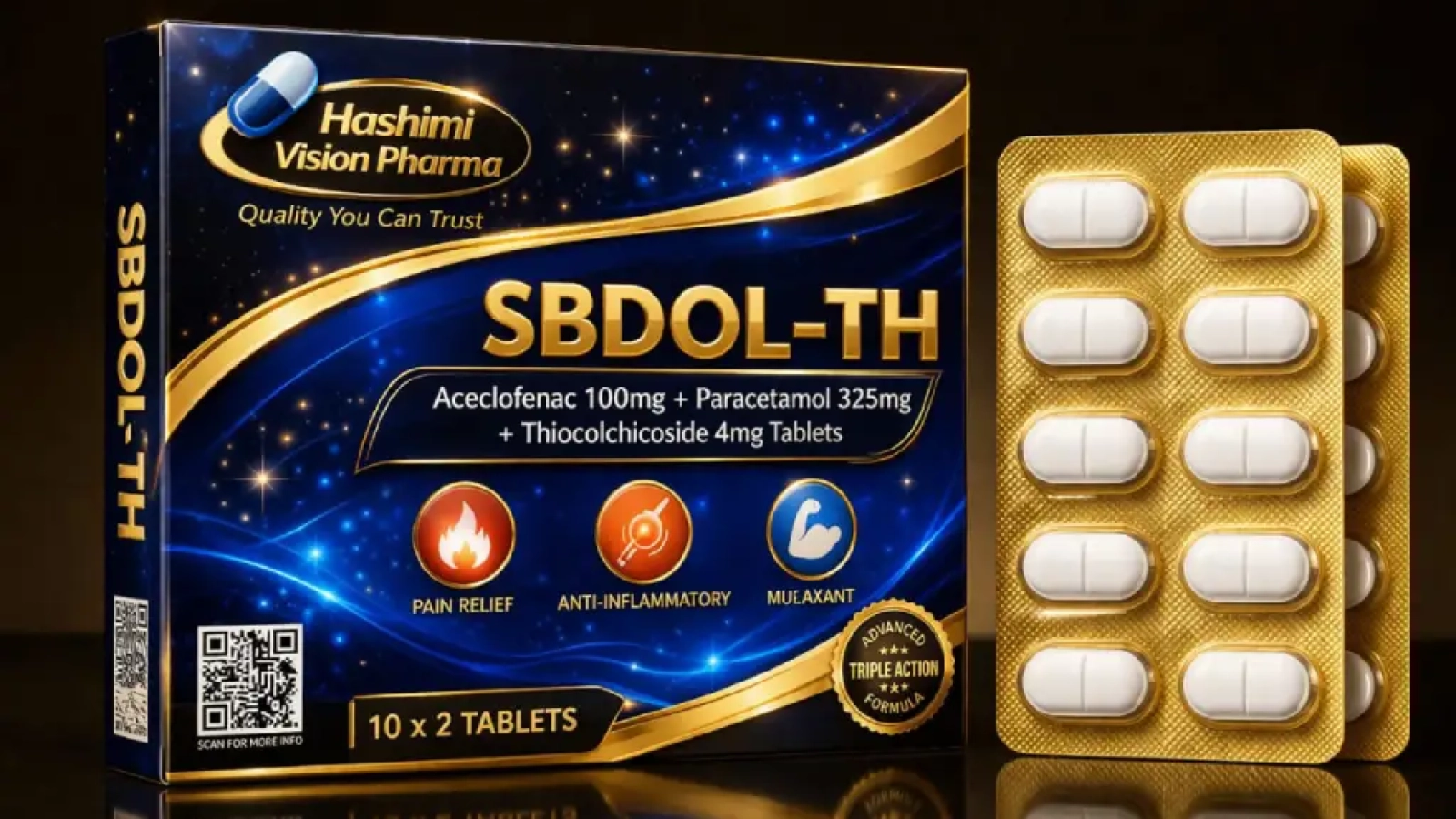
SBDOL-TH Tablets

SBDOL-TH Tablets
Generic Name:
Aceclofenac 100 mg + Paracetamol 325 mg + Thiocolchicoside 4 mg
Therapeutic Group:
Analgesic, Anti-inflammatory & Muscle Relaxant
Drug Category:
NSAID (Phenylacetic Acid Derivative) + Non-Opioid Analgesic + Centrally Acting Muscle Relaxant
Content / Composition:
Each film-coated tablet contains:
Aceclofenac ………………… 100 mg
Paracetamol ………………… 325 mg
Thiocolchicoside ………… 4 mg
Excipients …………………… q.s.
Indications:
SBDOL-TH is indicated for:
Acute musculoskeletal pain
Low back pain (Lumbago)
Cervical & lumbar spondylosis
Muscle spasm associated with spine disorders
Sciatica
Post-traumatic pain & inflammation
Orthopedic conditions with stiffness and muscle spasm
Rheumatic pain with muscle tightness
Dosage:
Adults: 1 tablet once or twice daily after food
Duration: Short-term use (usually 5–7 days)
Use lowest effective dose for shortest duration
Contraindications:
Hypersensitivity to NSAIDs, paracetamol, or thiocolchicoside
Active peptic ulcer or GI bleeding
Severe hepatic or renal impairment
Pregnancy and lactation
History of NSAID-induced asthma
Women of childbearing age not using contraception (thiocolchicoside restriction)
Seizure disorders (caution)
Administration:
Oral use after meals
Swallow whole with water
Avoid alcohol
Do not combine with other NSAIDs
Drug Interactions:
Anticoagulants → Increased bleeding risk
Other NSAIDs → GI toxicity
Corticosteroids → Increased ulcer risk
CNS depressants → Increased sedation
Hepatotoxic drugs → Increased liver risk
Antihypertensives → Reduced effect
Compatibility:
Ideal for pain + inflammation + muscle spasm combination
Suitable for orthopedic and trauma-related conditions
Works well alongside physiotherapy
Stability / Storage:
Store below 25°C
Protect from light and moisture
Keep out of reach of children
Precautions:
Short-term use recommended (thiocolchicoside safety)
Monitor liver function (paracetamol)
Use cautiously in elderly patients
Avoid prolonged NSAID use (CV & GI risk)
Not recommended for chronic long-term therapy
Side Effects:
Common:
Gastric irritation
Nausea
Dizziness
Drowsiness
Uncommon:
Diarrhea
Edema
Elevated liver enzymes
Serious (Rare):
GI bleeding
Hepatotoxicity
Cardiovascular events
Seizures (thiocolchicoside-related)
Clinical Note:
SBDOL-TH is a triple-action advanced formula combining:
Aceclofenac → Potent anti-inflammatory effect
Paracetamol → Rapid pain relief
Thiocolchicoside → Effective muscle relaxation
This combination delivers fast, comprehensive relief in conditions involving pain, inflammation, and muscle spasm, improving mobility and patient recovery.

WhatsApp-Image-2026-04-11-at-7.18.28-AM (20)

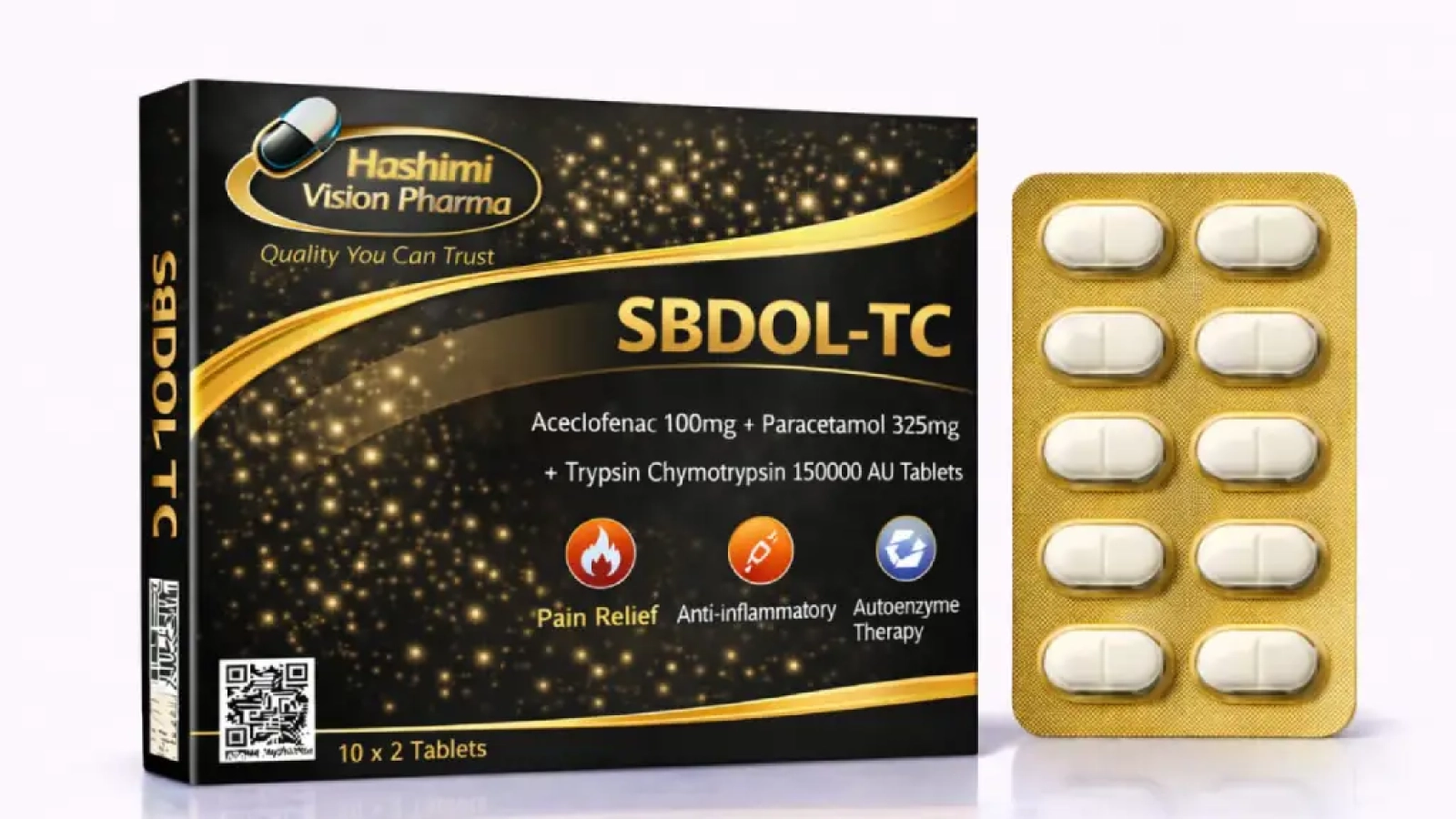
SBDOL-TC Tablets

SBDOL-TC Tablets
Generic Name:
Aceclofenac 100 mg + Paracetamol 325 mg + Trypsin-Chymotrypsin 150,000 AU
Therapeutic Group:
Analgesic, Anti-inflammatory & Enzyme Therapy
Drug Category:
NSAID (Phenylacetic Acid Derivative) + Non-Opioid Analgesic + Proteolytic Enzyme Combination
Content / Composition:
Each film-coated tablet contains:
Aceclofenac ………………… 100 mg
Paracetamol ………………… 325 mg
Trypsin-Chymotrypsin … 150,000 AU
Excipients …………………… q.s.
Indications:
SBDOL-TC is indicated for:
Post-operative inflammation and swelling
Traumatic injuries (sprains, strains, fractures)
Orthopedic pain with edema
Dental pain and post-extraction swelling
Soft tissue inflammation
Sports injuries
Rheumatic conditions with inflammatory edema
Dosage:
Adults: 1 tablet once or twice daily after food
Duration: As directed by physician (short to moderate term)
Enzyme component works best with consistent dosing
Contraindications:
Hypersensitivity to NSAIDs, paracetamol, or enzymes
Active peptic ulcer or GI bleeding
Severe hepatic or renal impairment
Bleeding disorders
Concurrent anticoagulant therapy (relative contraindication)
Pregnancy and lactation
Administration:
Oral use after meals
Swallow whole with water
Avoid alcohol
Do not combine with other NSAIDs
Drug Interactions:
Anticoagulants → Increased bleeding risk
Other NSAIDs → GI toxicity
Corticosteroids → Increased ulcer risk
Antiplatelet drugs → Bleeding tendency
Hepatotoxic drugs → Increased liver risk
Compatibility:
Ideal for pain + inflammation + swelling (edema)
Particularly effective in post-surgical and traumatic conditions
Can be used with antibiotics in infection-related inflammation
Stability / Storage:
Store below 25°C
Protect from light and moisture
Keep out of reach of children
Precautions:
Monitor liver function (paracetamol)
Use cautiously in elderly patients
Avoid in patients with bleeding risk
Not recommended for long-term uncontrolled use
Use carefully in patients with GI sensitivity
Side Effects:
Common:
Gastric irritation
Nausea
Indigestion
Uncommon:
Diarrhea
Skin rash
Mild edema
Serious (Rare):
GI bleeding
Hepatic dysfunction
Hypersensitivity reactions
Increased bleeding tendency
Clinical Note:
SBDOL-TC is a triple-action advanced formulation combining:
Aceclofenac → Strong anti-inflammatory effect
Paracetamol → Rapid pain relief
Trypsin-Chymotrypsin → Reduces inflammation, edema & promotes tissue healing
This combination provides enhanced recovery, faster swelling reduction, and improved mobility, making it ideal for post-traumatic and post-surgical conditions.

WhatsApp-Image-2026-04-11-at-7.18.28-AM (19)

AZINUS 500 Tablets

AZINUS 500 Tablets
Generic Name:
Azithromycin 500 mg
Therapeutic Group:
Antibacterial (Antibiotic)
Drug Category:
Macrolide Antibiotic (Azalide Class)
Content / Composition:
Each film-coated tablet contains:
Azithromycin ………………… 500 mg
Excipients …………………… q.s.
Indications:
AZINUS 500 is indicated for the treatment of infections caused by susceptible microorganisms, including:
Upper respiratory tract infections (sinusitis, pharyngitis, tonsillitis)
Lower respiratory tract infections (bronchitis, pneumonia)
Ear infections (otitis media)
Skin and soft tissue infections
Sexually transmitted infections (e.g., uncomplicated chlamydia)
Dental infections
Dosage:
Adults:
500 mg once daily for 3 days
or
500 mg on Day 1, followed by 250 mg once daily for 4 days
STIs (e.g., Chlamydia):
Single dose of 1 g (as directed by physician)
Note: Follow physician’s prescription based on infection type
Contraindications:
Hypersensitivity to azithromycin or other macrolide antibiotics
Severe hepatic impairment
History of cholestatic jaundice/hepatic dysfunction associated with azithromycin
Administration:
Oral use, with or without food
Take once daily
Avoid antacids containing aluminum/magnesium within 2 hours
Complete full course even if symptoms improve
Drug Interactions:
Antacids → Reduced absorption
Warfarin → Increased bleeding risk
Digoxin → Increased levels
QT-prolonging drugs → Risk of arrhythmia
Ergot derivatives → Contraindicated
Compatibility:
Effective against Gram-positive, Gram-negative & atypical bacteria
Suitable for community-acquired infections
Convenient once-daily dosing improves compliance
Stability / Storage:
Store below 25°C
Protect from light and moisture
Keep out of reach of children
Precautions:
Use cautiously in patients with liver disease
Risk of QT prolongation (cardiac patients)
Avoid unnecessary use to prevent antibiotic resistance
Not effective for viral infections
Use carefully in elderly patients
Side Effects:
Common:
Nausea
Diarrhea
Abdominal pain
Uncommon:
Headache
Dizziness
Rash
Serious (Rare):
Hepatotoxicity
QT prolongation / arrhythmias
Severe allergic reactions (anaphylaxis)
Clinical Note:
AZINUS 500 (Azithromycin) is a broad-spectrum macrolide antibiotic with:
Once-daily dosing
Excellent tissue penetration
Prolonged half-life
It provides effective and convenient treatment for a wide range of bacterial infections, improving patient compliance and clinical outcomes.

WhatsApp-Image-2026-04-11-at-7.18.28-AM (18)

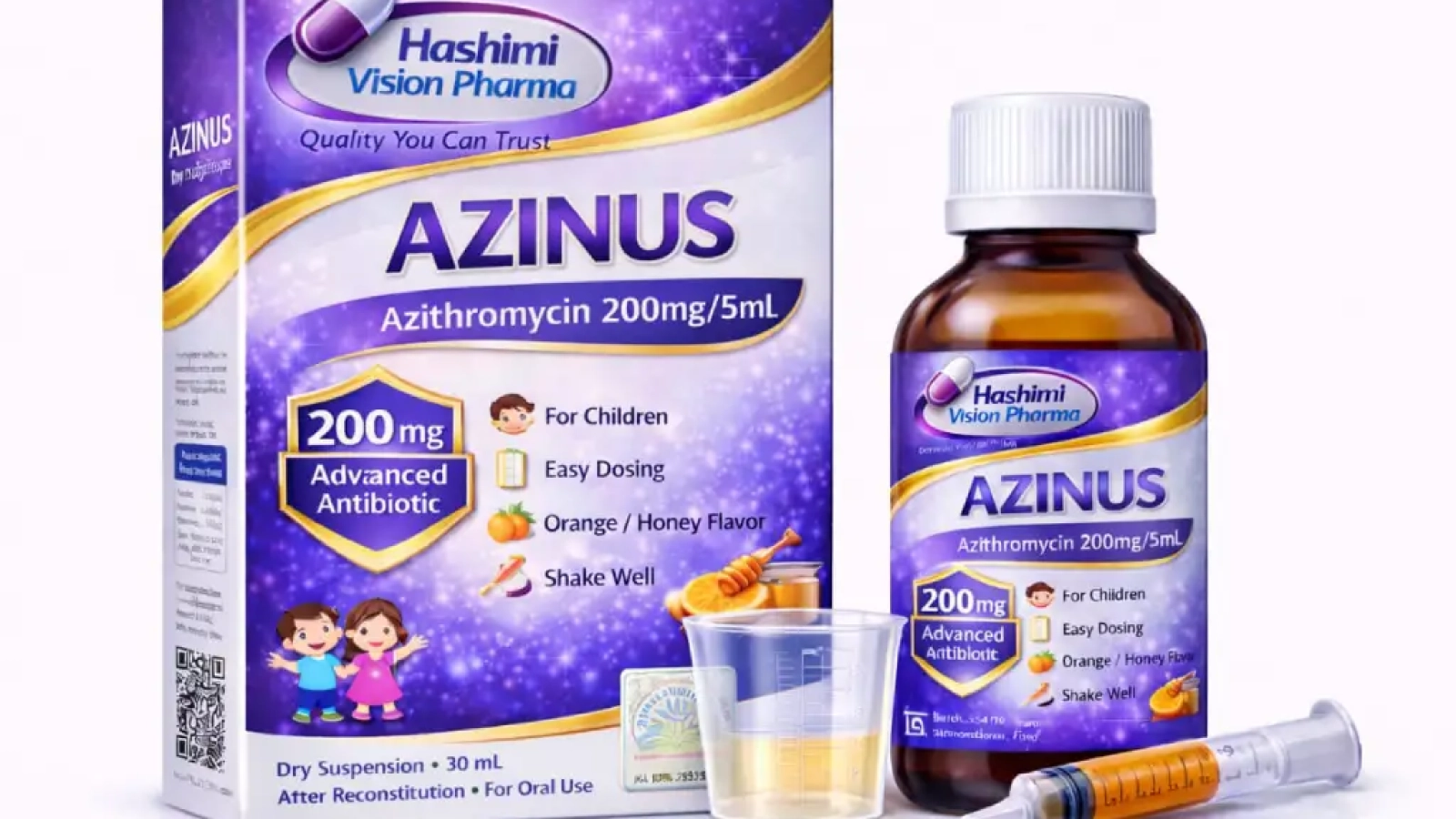
AZINUS Dry Suspension 200 mg/5 mL

AZINUS Dry Suspension 200 mg/5 mL
Generic Name:
Azithromycin Oral Suspension 200 mg/5 mL
Therapeutic Group:
Antibacterial
Drug Category:
Macrolide Antibiotic (Azalide Class)
Content / Composition:
After reconstitution, each 5 mL contains:
Azithromycin ………………… 200 mg
Excipients …………………… q.s.
(Flavored suspension – Orange / Honey)
Indications:
AZINUS Suspension is indicated for pediatric patients in the treatment of infections caused by susceptible organisms, including:
Upper respiratory tract infections (tonsillitis, pharyngitis, sinusitis)
Lower respiratory tract infections (bronchitis, pneumonia)
Otitis media (ear infections)
Skin and soft tissue infections
Pediatric bacterial infections
Dosage (Pediatric):
General Dose:
10 mg/kg once daily for 3 days
or
10 mg/kg on Day 1, followed by 5 mg/kg once daily for 4 days
Maximum dose: As per physician guidance
Important:
Dose should be calculated based on body weight
Contraindications:
Hypersensitivity to azithromycin or macrolides
Severe hepatic impairment
History of cholestatic jaundice with azithromycin
Administration:
For oral use only
Shake well before each use
Use calibrated measuring cup or syringe
Can be taken with or without food
Complete full prescribed course
Reconstitution Instructions:
Add recommended amount of boiled & cooled water
Shake well until uniform suspension is formed
Drug Interactions:
Antacids (Al/Mg) → reduce absorption
Warfarin → increased bleeding risk
Digoxin → increased plasma levels
QT-prolonging drugs → arrhythmia risk
Compatibility:
Broad-spectrum coverage (Gram-positive, Gram-negative, atypical pathogens)
Ideal for pediatric compliance (once-daily dosing)
Palatable flavored formulation improves adherence
Stability / Storage:
Store dry powder below 25°C
After reconstitution: use within 5–10 days (depending on conditions)
Keep tightly closed
Protect from light
Precautions:
Use cautiously in liver disease
Monitor for allergic reactions
Risk of QT prolongation in cardiac patients
Avoid misuse to prevent antibiotic resistance
Side Effects:
Common:
Diarrhea
Nausea
Abdominal discomfort
Uncommon:
Headache
Rash
Vomiting
Serious (Rare):
Hepatotoxicity
Severe allergic reactions
Cardiac arrhythmias
Clinical Advantage:
AZINUS Pediatric Suspension offers:
Once-daily dosing → better compliance
Pleasant taste → child-friendly
Short treatment duration → faster recovery
High tissue penetration → effective infection control
Packaging:
Dry Suspension Bottle (After Reconstitution: 30 mL)
Measuring cup / oral syringe included