AZINUS 250 mg Tablets
Generic Name:
Azithromycin
Therapeutic Group:
Systemic Anti-infective / Antibiotic
Drug Category:
Macrolide Antibiotic
Content / Composition:
Each film-coated tablet contains:
Azithromycin Dihydrate equivalent to Azithromycin 250 mg.
Indications:
Used for susceptible bacterial infections, including upper and lower respiratory tract infections, throat/tonsil infections, ear infections, skin and soft tissue infections, and some urogenital infections. It should be used only when bacterial infection is proven or strongly suspected. �
Pfizer Labeling +1
Dosage:
As directed by the physician. Common adult regimens include 500 mg on Day 1, followed by 250 mg once daily on Days 2–5, or other physician-prescribed regimens depending on infection t…
[7:56 PM, 4/28/2026] +93 79 666 5158: محترم داکتر صاحب، این هم نسخه حرفهای، جهانی و آماده برای ویبسایت:
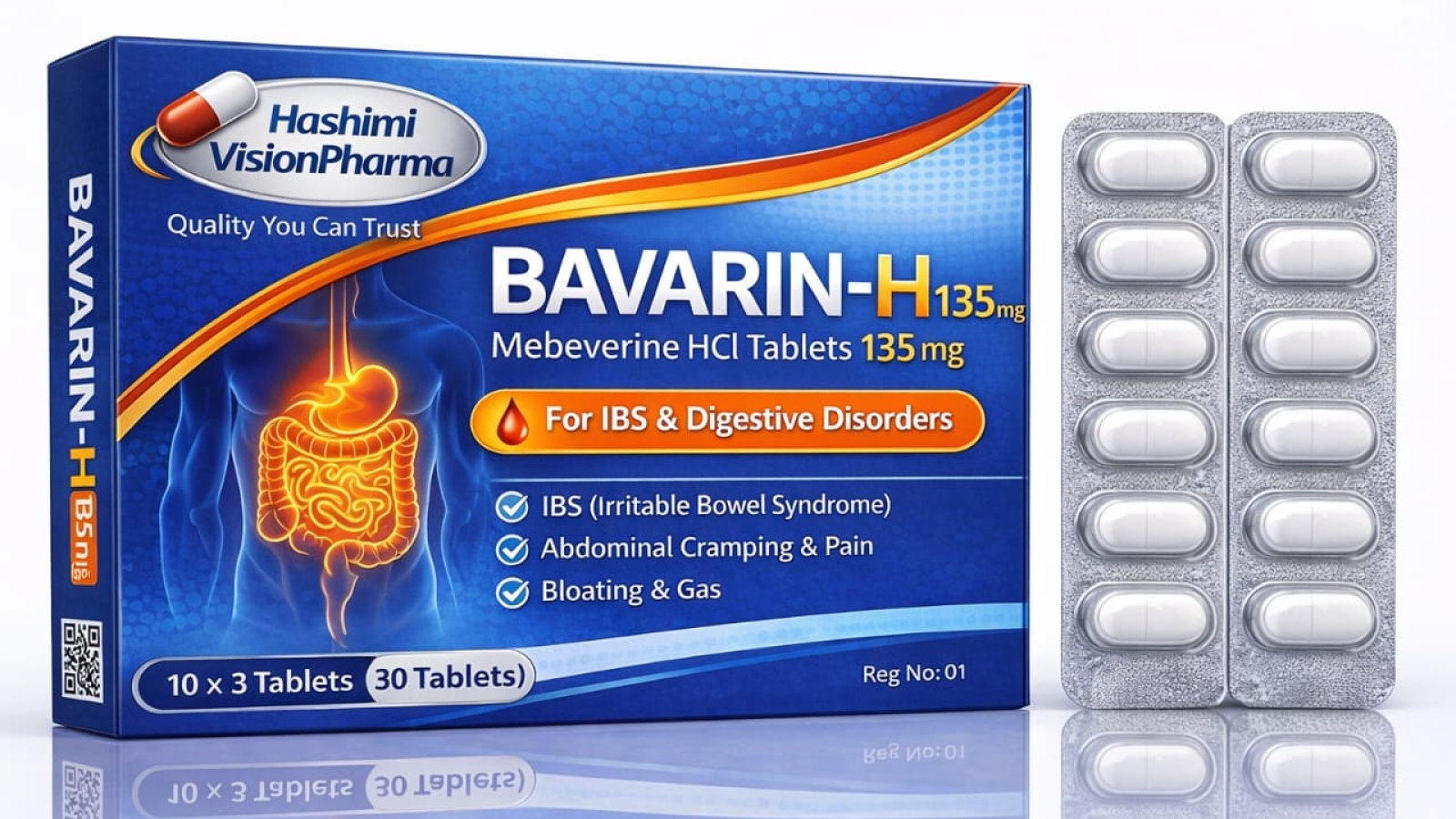
BAVARIN-H® 135 mg Tablets
Generic Name:
Mebeverine Hydrochloride
Therapeutic Group:
Gastrointestinal Antispasmodic
Drug Category:
Smooth Muscle Relaxant (Anticholinergic-free Antispasmodic)
Content / Composition:
Each film-coated tablet contains:
Mebeverine Hydrochloride 135 mg
Indications:
Indicated for the symptomatic treatment of gastrointestinal disorders associated with smooth muscle spasm, including:
* Irritable Bowel Syndrome (IBS)
* Abdominal pain and cramping
* Intestinal spasm
* Bloating and flatulence
* Functional gastrointestinal disorders
Dosage:
Adults:
135 mg two to three times daily, preferably before meals.
Dosage should be adjusted according to clinical response.
Contraindications:
* Hypersensitivity to mebeverine or any component of the formulation
* Not recommended in children under 10 years (unless prescribed)
Administration:
For oral use.
Swallow tablets whole with sufficient water.
Do not crush or chew.
Preferably take 20 minutes before meals.
Interaction:
No significant drug interactions reported.
However, use with caution when co-administered with other gastrointestinal medications.
Compatibility:
Compatible with standard oral therapies for gastrointestinal disorders.
No known incompatibility with food.
Stability / Storage:
Store below 25°C.
Protect from moisture and direct sunlight.
Keep in original packaging and out of reach of children.
Precautions:
* Use with caution in patients with severe hepatic or renal impairment
* Evaluate underlying causes if symptoms persist
* Use during pregnancy and lactation only if clearly needed and prescribed
* Not intended for acute severe abdominal conditions without diagnosis
Side Effects:
Generally well tolerated.
Possible adverse effects include:
* Mild gastrointestinal discomfort
* Nausea
* Headache
* Dizziness
* Rare allergic reactions (rash, urticaria, angioedema)
Website Note:
For professional use only.
Use under medical supervision.
Not a substitute for treatment of serious gastrointestinal diseases.
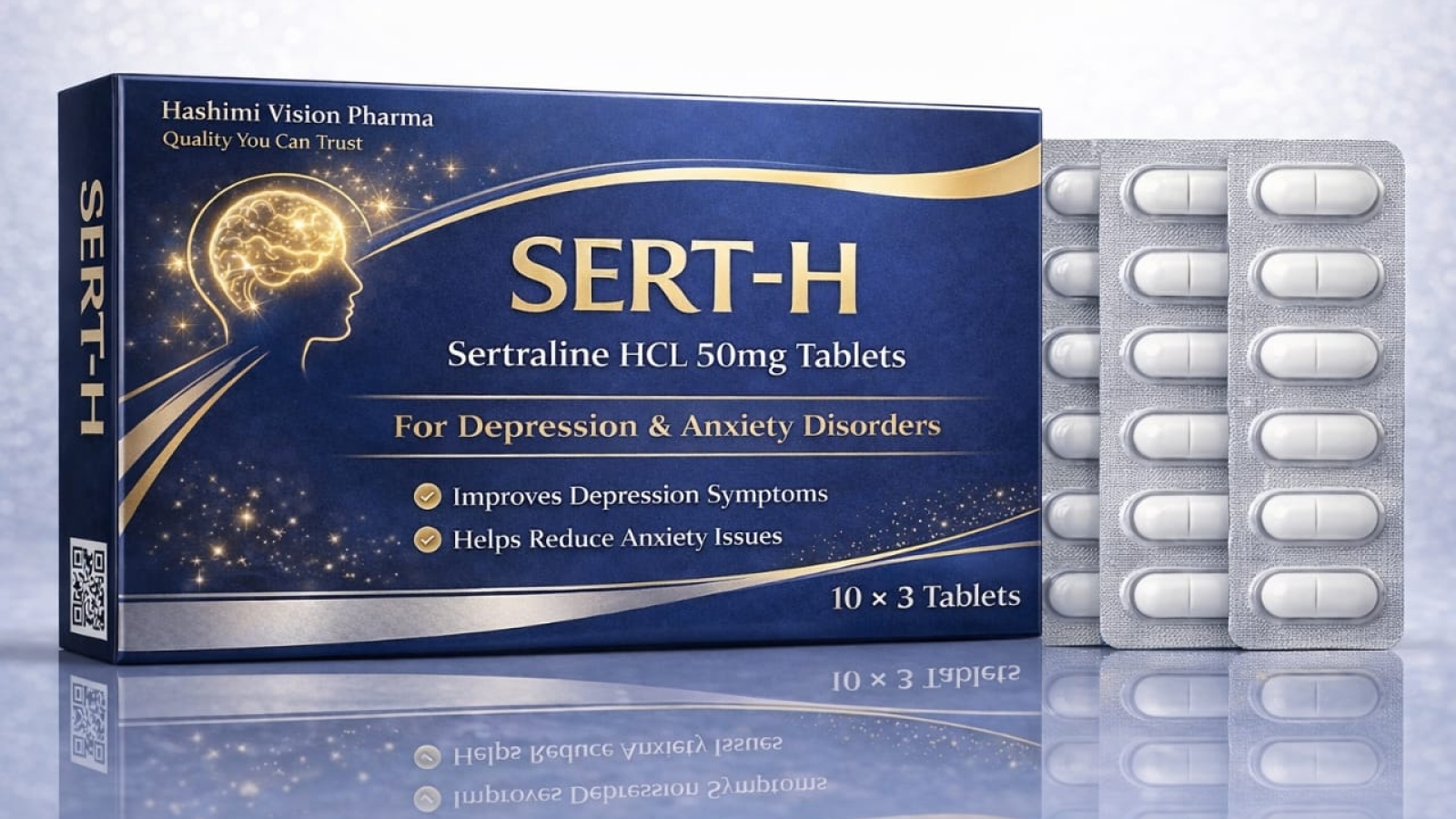
[7:58 PM, 4/28/2026] +93 79 666 5158: SERT-H® 50 mg Tablets
Generic Name:
Sertraline Hydrochloride
Therapeutic Group:
Central Nervous System (CNS) Agent / Antidepressant
Drug Category:
Selective Serotonin Reuptake Inhibitor (SSRI)
Content / Composition:
Each film-coated tablet contains:
Sertraline Hydrochloride equivalent to Sertraline 50 mg
Indications:
Indicated for the treatment of:
* Major Depressive Disorder (MDD)
* Generalized Anxiety Disorder (GAD)
* Panic Disorder
* Obsessive-Compulsive Disorder (OCD)
* Post-Traumatic Stress Disorder (PTSD)
* Social Anxiety Disorder
Dosage:
Adults:
Initial dose: 50 mg once daily
May be increased gradually up to a maximum of 200 mg/day based on clinical response.
Dose adjustments should be made at intervals of at least one week.
Contraindications:
* Hypersensitivity to sertraline or any component
* Concomitant use with Monoamine Oxidase Inhibitors (MAOIs)
* Use with pimozide
* Severe hepatic impairment (use not recommended)
Administration:
For oral use.
Can be taken with or without food.
Preferably taken at the same time each day (morning or evening).
Interaction:
Use caution with:
* MAO inhibitors and other serotonergic drugs (risk of serotonin syndrome)
* Warfarin and anticoagulants (increased bleeding risk)
* NSAIDs and antiplatelets
* Alcohol (avoid)
* CYP450 affecting drugs
Compatibility:
Compatible with most oral therapies under medical supervision.
Avoid combination with serotonergic agents unless prescribed.
Stability / Storage:
Store below 25°C.
Protect from light and moisture.
Keep out of reach of children.
Precautions:
* Monitor for suicidal thoughts, especially in young adults
* Use cautiously in patients with epilepsy, bipolar disorder, or liver disease
* Risk of serotonin syndrome when combined with other serotonergic agents
* Gradual discontinuation recommended to avoid withdrawal symptoms
* Use in pregnancy and lactation only if clearly needed
Side Effects:
Common:
* Nausea
* Insomnia or somnolence
* Dry mouth
* Dizziness
* Diarrhea
Others:
* Sexual dysfunction
* Increased sweating
* Tremor
* Fatigue
Rare but serious:
* Serotonin syndrome
* Suicidal ideation
* Severe allergic reactions
Website Note:
For professional use only.
Use strictly under medical supervision.
Not recommended for self-medication.
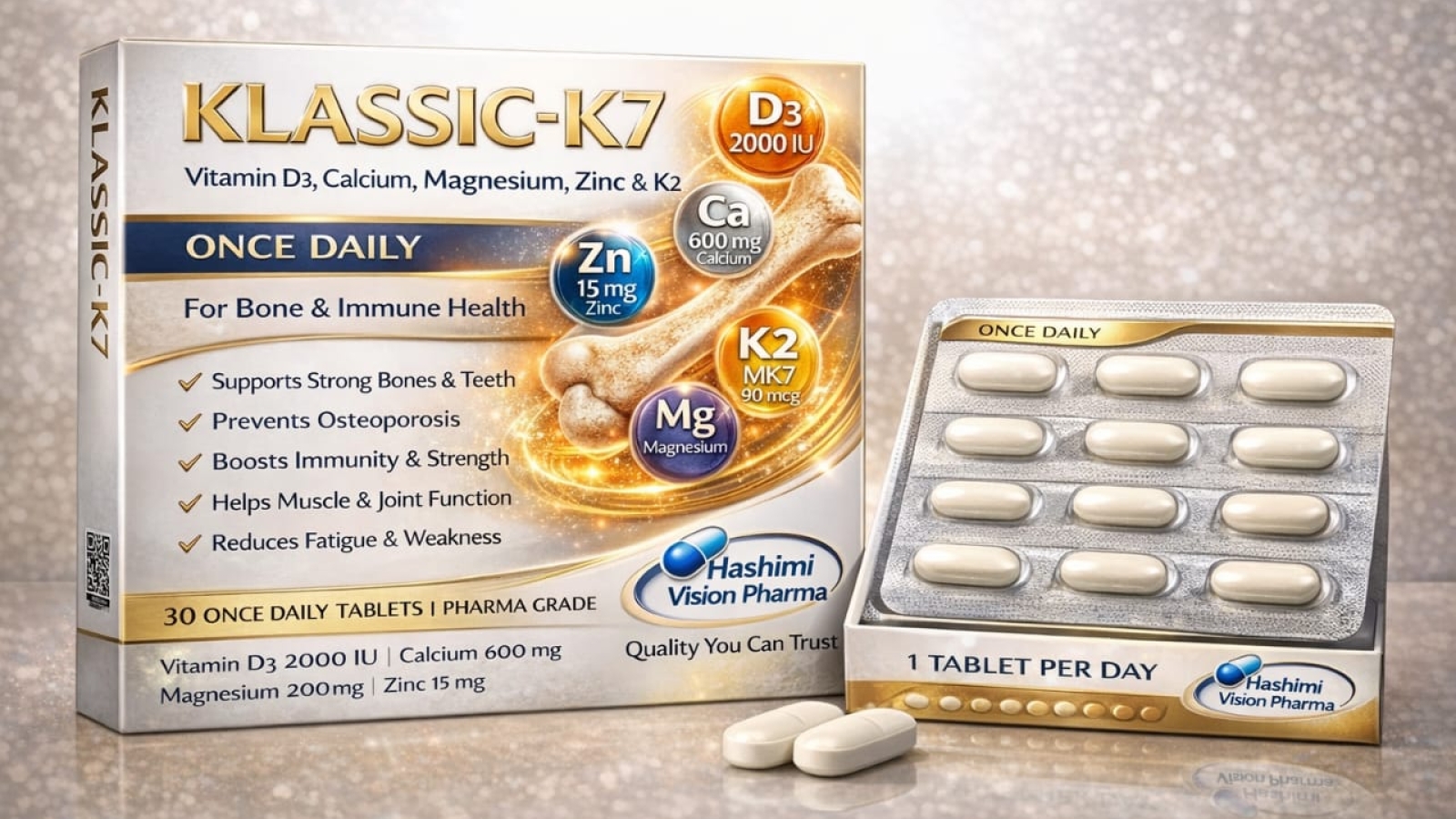
[8:03 PM, 4/28/2026] +93 79 666 5158: KLASSIC-K7® Tablets
Generic Name:
Vitamin D3 (Cholecalciferol) + Calcium + Magnesium + Zinc + Vitamin K2 (MK-7)
Therapeutic Group:
Nutritional Supplement / Bone Health & Mineral Support
Drug Category:
Vitamin & Mineral Combination (Bone Metabolism Regulator)
Content / Composition:
Each tablet contains:
* Vitamin D3 (Cholecalciferol) …… 2000 IU
* Calcium (as Calcium Carbonate) …… 600 mg
* Magnesium …… 200 mg
* Zinc …… 15 mg
* Vitamin K2 (MK-7) …… 90 mcg
Indications:
Indicated for prevention and treatment of deficiencies and for:
* Bone health and osteoporosis prevention
* Strengthening teeth and skeletal system
* Supporting immune system function
* Muscle strength and neuromuscular function
* Reducing fatigue and weakness
* Improving calcium absorption and bone mineralization
Dosage:
Adults:
One tablet once daily or as directed by the physician.
Contraindications:
* Hypersensitivity to any component
* Hypercalcemia or hypervitaminosis D
* Severe renal impairment or kidney stones (use with caution)
* Disorders of calcium metabolism
Administration:
For oral use.
Take after meals with a glass of water.
Do not exceed recommended dose unless prescribed.
Interaction:
Use caution with:
* Calcium channel blockers
* Thiazide diuretics (may increase calcium levels)
* Vitamin D supplements (risk of overdose)
* Antacids and tetracycline antibiotics (spacing required)
* Warfarin (Vitamin K2 interaction)
Compatibility:
Compatible with general nutritional therapy.
Avoid concurrent high-dose calcium or vitamin D supplementation without medical advice.
Stability / Storage:
Store below 25°C.
Protect from moisture, heat, and direct sunlight.
Keep out of reach of children.
Precautions:
* Monitor calcium levels in long-term use
* Use with caution in renal disease and cardiovascular conditions
* Pregnancy and lactation: use only if prescribed
* Avoid overdose (risk of hypercalcemia)
Side Effects:
Generally well tolerated.
Possible side effects include:
* Gastrointestinal discomfort (nausea, constipation)
* Mild headache
* Hypercalcemia (rare, in excessive use)
* Allergic reactions (rare)
Website Note:
Food supplement – not intended to replace a balanced diet.
Use under medical supervision for therapeutic purposes.