WhatsApp-Image-2026-04-11-at-7.18.28-AM (38)

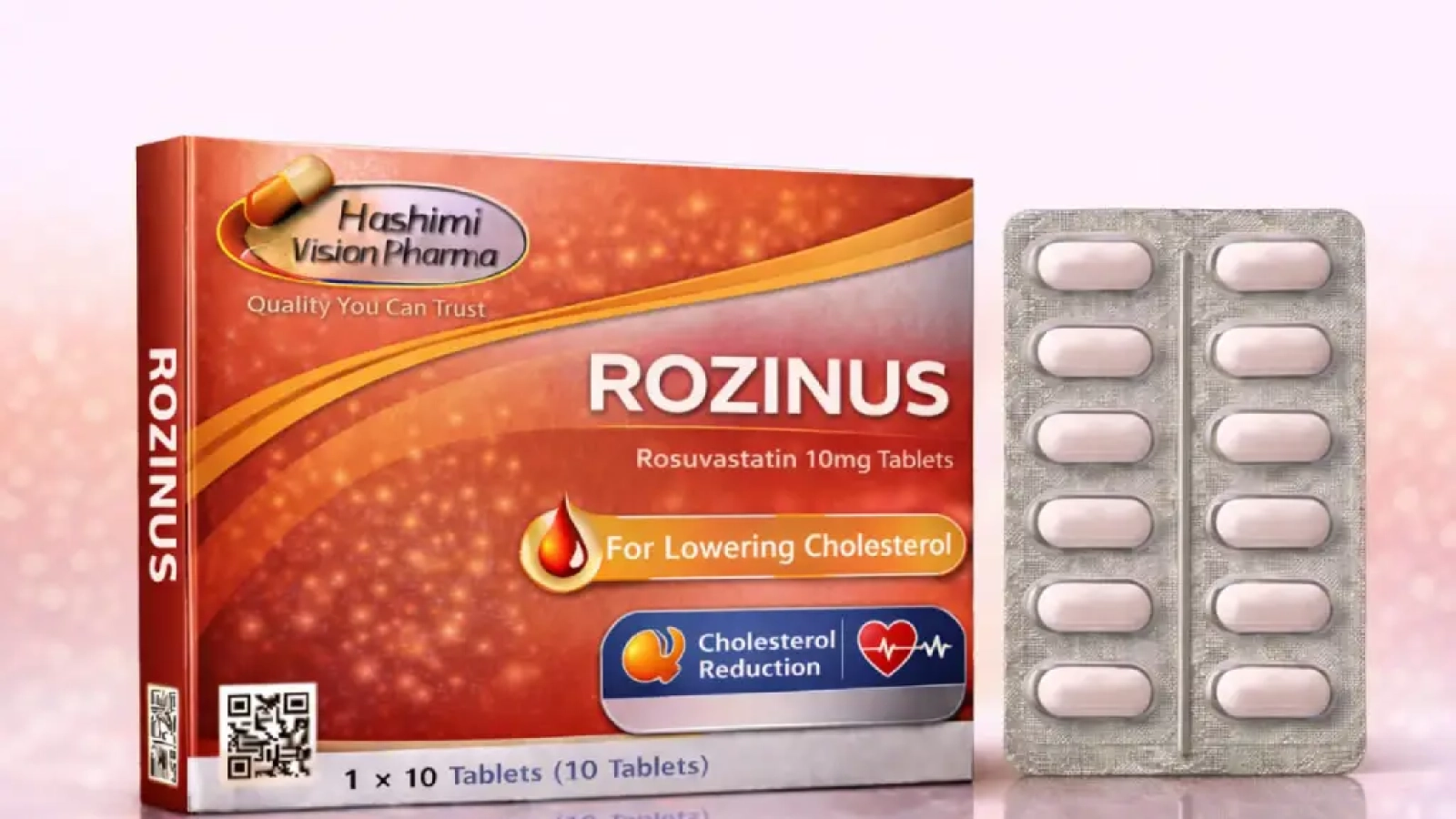
ROZINUS 10 mg Tablets

ROZINUS 10 mg Tablets
Generic Name:
Rosuvastatin 10 mg
Therapeutic Group:
Lipid-Lowering Agent
Drug Category:
HMG-CoA Reductase Inhibitor (Statin)
Content / Composition:
Each film-coated tablet contains:
Rosuvastatin …………………………… 10 mg
Excipients ……………………………… q.s.
Indications:
ROZINUS is indicated for:
Primary hypercholesterolemia
Mixed dyslipidemia
Prevention of cardiovascular events (heart attack, stroke)
Atherosclerotic cardiovascular disease (ASCVD)
Reduction of LDL cholesterol, total cholesterol, and triglycerides
Increase of HDL cholesterol
Dosage:
Initial dose: 5–10 mg once daily
Maintenance dose: 10–20 mg once daily
Maximum dose: 40 mg/day (under specialist supervision)
Dose adjustment required in renal impairment
As directed by the physician
Contraindications:
Hypersensitivity to rosuvastatin
Active liver disease
Severe renal impairment (without dose adjustment)
Pregnancy and breastfeeding
History of statin-induced muscle disorders
Administration:
Administer orally with water
Can be taken at any time of the day, with or without food
Swallow whole; do not crush or chew
Drug Interactions:
Increased risk of myopathy with fibrates, cyclosporine, or certain antivirals
Warfarin (monitor INR)
Antacids may reduce absorption (administer separately)
Alcohol increases risk of liver toxicity
Compatibility:
Suitable for combination with antihypertensive and antidiabetic medications
Compatible with comprehensive cardiovascular management plans
Stability / Storage:
Store below 25°C
Protect from light, heat, and moisture
Keep out of reach of children
Precautions:
Monitor liver function before and during treatment
Assess muscle symptoms (risk of myopathy/rhabdomyolysis)
Use cautiously in elderly patients
Lifestyle modification (diet, exercise) should be continued
Not to be used during pregnancy
Side Effects:
Common:
Headache
Muscle pain (myalgia)
Abdominal pain
Nausea
Uncommon:
Elevated liver enzymes
Fatigue
Constipation
Serious (Rare):
Rhabdomyolysis
Severe liver injury
Hypersensitivity reactions
Important Note:
ROZINUS is a potent statin used for cholesterol control and cardiovascular risk reduction. It should be used under medical supervision. This information is intended for healthcare professionals and educational purposes only.

WhatsApp-Image-2026-04-11-at-7.18.28-AM (37)

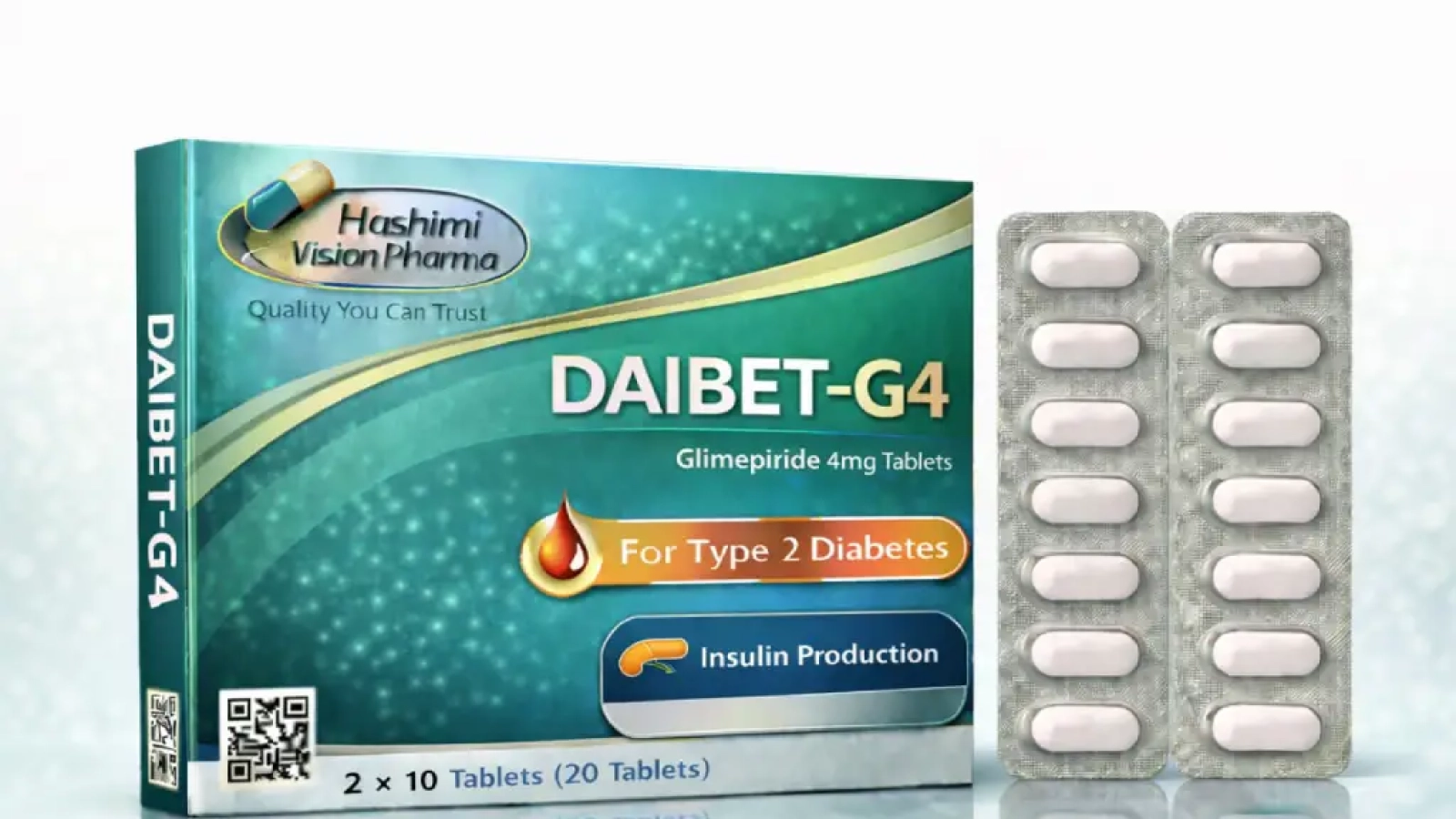
DAIBET-G4 Tablets

Generic Name:
Glimepiride 4 mg
Therapeutic Group:
Antidiabetic Agent
Drug Category:
Sulfonylurea (Insulin Secretagogue)
Content / Composition:
Each tablet contains:
Glimepiride …………………………… 4 mg
Excipients ……………………………… q.s.
Indications:
DAIBET-G4 is indicated for:
Type 2 Diabetes Mellitus
Improvement of glycemic control when diet and exercise alone are insufficient
Can be used as monotherapy or in combination with metformin or insulin
Dosage:
Initial dose: 1–2 mg once daily
Maintenance dose: 1–4 mg once daily
Maximum dose: 8 mg/day
Dose should be individualized based on blood glucose levels
As directed by the physician
Contraindications:
Type 1 Diabetes Mellitus
Diabetic ketoacidosis
Severe renal or hepatic impairment
Hypersensitivity to glimepiride or other sulfonylureas
Pregnancy and lactation
Administration:
Administer orally once daily
Take with breakfast or first main meal
Swallow whole with water
Avoid skipping meals to prevent hypoglycemia
Drug Interactions:
Increased hypoglycemic effect with insulin, metformin, NSAIDs, and some antibiotics
Reduced effect with corticosteroids, diuretics, and oral contraceptives
Alcohol may increase risk of hypoglycemia
Compatibility:
Suitable for combination with metformin, insulin, or other antidiabetic agents
Compatible with long-term diabetes management protocols
Stability / Storage:
Store below 25°C
Protect from moisture, heat, and light
Keep out of reach of children
Precautions:
Risk of hypoglycemia (especially in elderly or irregular meals)
Monitor blood glucose regularly
Use cautiously in renal or hepatic impairment
Patients should be educated about symptoms of hypoglycemia
Lifestyle modification (diet & exercise) is essential
Side Effects:
Common:
Hypoglycemia
Dizziness
Headache
Nausea
Uncommon:
Weight gain
Gastrointestinal disturbances
Serious (Rare):
Severe hypoglycemia
Allergic reactions
Liver dysfunction
Important Note:
DAIBET-G4 is an oral antidiabetic agent used for glycemic control in Type 2 Diabetes. It should be used under medical supervision. This information is intended for healthcare professionals and educational purposes only.
WhatsApp-Image-2026-04-11-at-7.18.28-AM (36)

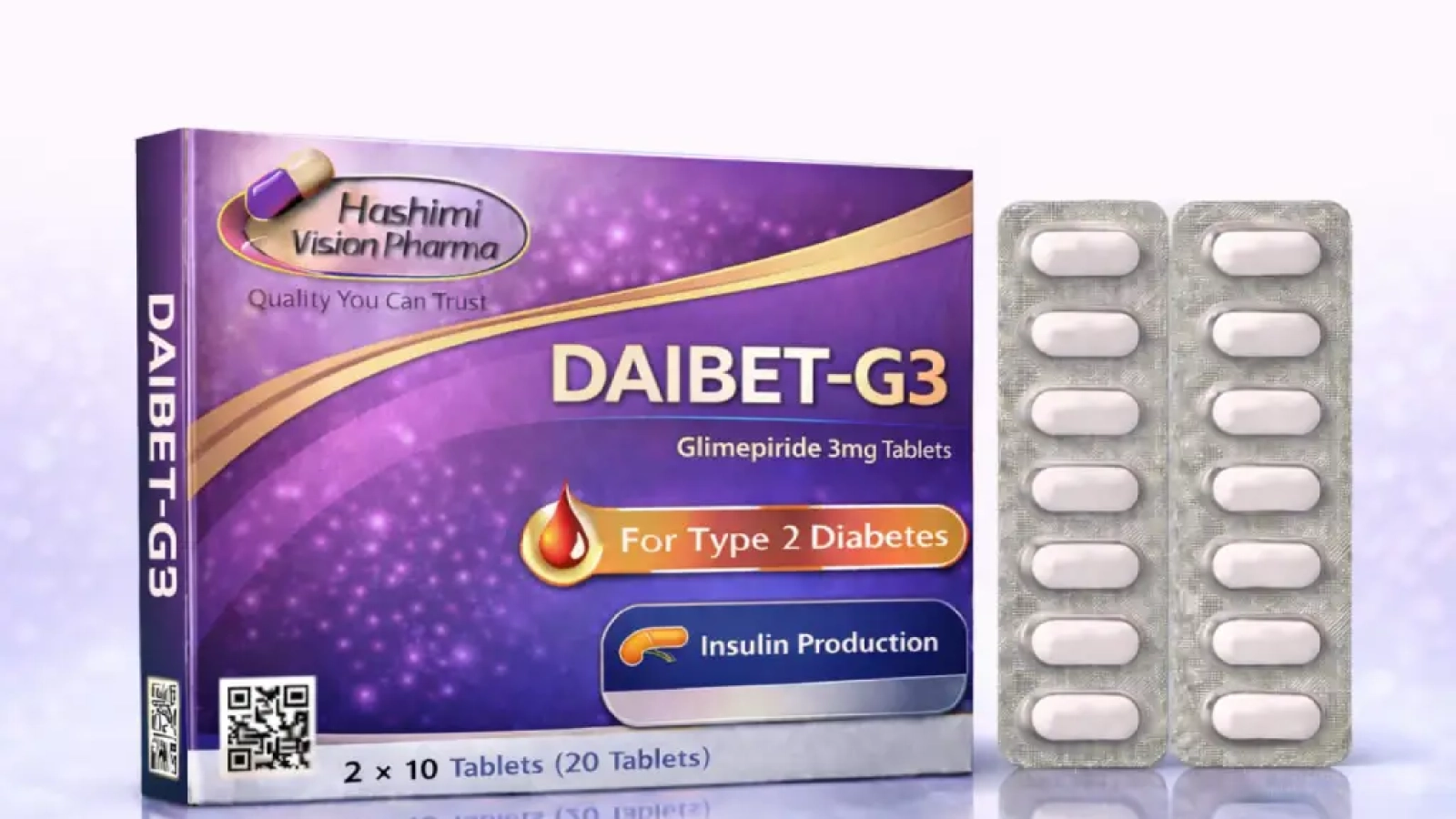
DAIBET-G3 Tablets

DAIBET-G3 Tablets
Generic Name:
Glimepiride 3 mg
Therapeutic Group:
Antidiabetic Agent
Drug Category:
Sulfonylurea (Insulin Secretagogue)
Content / Composition:
Each tablet contains:
Glimepiride …………………………… 3 mg
Excipients ……………………………… q.s.
Indications:
DAIBET-G3 is indicated for:
Type 2 Diabetes Mellitus
Improvement of glycemic control when diet and exercise are insufficient
Can be used alone or in combination with metformin or insulin
Dosage:
Initial dose: 1–2 mg once daily
Maintenance dose: 1–4 mg once daily
Maximum dose: 8 mg/day
Dose should be individualized based on blood glucose levels
As directed by the physician
Contraindications:
Type 1 Diabetes Mellitus
Diabetic ketoacidosis
Severe renal or hepatic impairment
Hypersensitivity to glimepiride or sulfonylureas
Pregnancy and lactation
Administration:
Administer orally once daily
Take with breakfast or first main meal
Swallow whole with water
Avoid skipping meals to prevent hypoglycemia
Drug Interactions:
Increased hypoglycemic effect with insulin, metformin, NSAIDs, and some antibiotics
Reduced effect with corticosteroids, diuretics, and oral contraceptives
Alcohol may increase risk of hypoglycemia
Compatibility:
Suitable for combination with metformin, insulin, or other antidiabetic agents
Compatible with long-term diabetes management protocols
Stability / Storage:
Store below 25°C
Protect from moisture, heat, and light
Keep out of reach of children
Precautions:
Risk of hypoglycemia (especially in elderly or irregular meals)
Monitor blood glucose regularly
Use cautiously in renal or hepatic impairment
Patients should be educated about symptoms of hypoglycemia
Lifestyle modification (diet & exercise) is essential
Side Effects:
Common:
Hypoglycemia
Dizziness
Headache
Nausea
Uncommon:
Weight gain
Gastrointestinal disturbances
Serious (Rare):
Severe hypoglycemia
Allergic reactions
Liver dysfunction
Important Note:
DAIBET-G3 is an oral antidiabetic agent used for glycemic control in Type 2 Diabetes. It should be used under medical supervision. This information is intended for healthcare professionals and educational purposes only.
WhatsApp-Image-2026-04-11-at-7.18.28-AM (35)

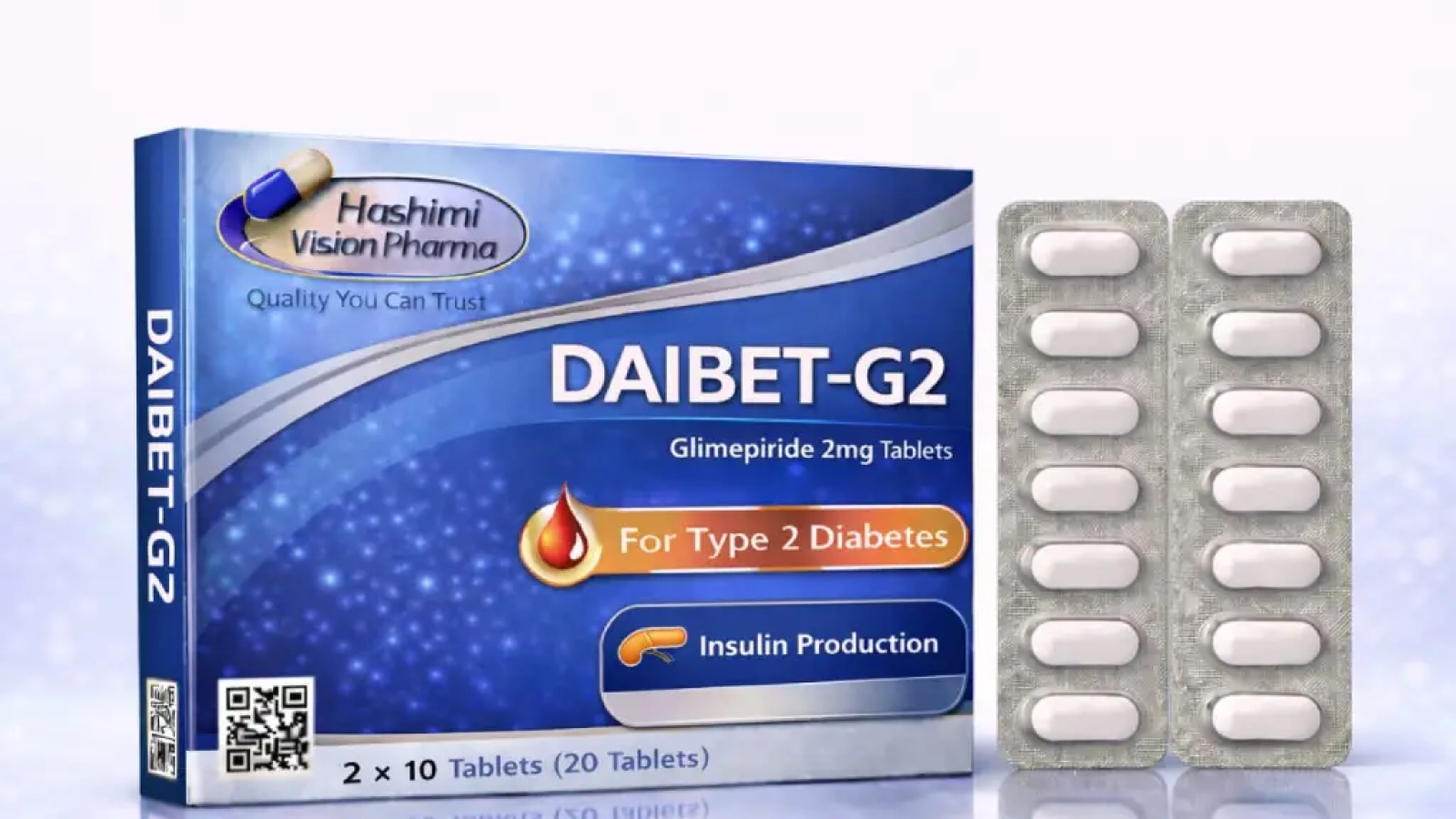
DAIBET-G2 Tablets

DAIBET-G2 Tablets
Generic Name:
Glimepiride 2 mg
Therapeutic Group:
Antidiabetic Agent
Drug Category:
Sulfonylurea (Insulin Secretagogue)
Content / Composition:
Each tablet contains:
Glimepiride …………………………… 2 mg
Excipients ……………………………… q.s.
Indications:
DAIBET-G2 is indicated for:
Type 2 Diabetes Mellitus
Improvement of glycemic control when diet and exercise alone are insufficient
Can be used as monotherapy or in combination with metformin or insulin
Dosage:
Initial dose: 1–2 mg once daily
Maintenance dose: 1–4 mg once daily
Maximum dose: 8 mg/day
Dose should be individualized based on blood glucose levels
As directed by the physician
Contraindications:
Type 1 Diabetes Mellitus
Diabetic ketoacidosis
Severe renal or hepatic impairment
Hypersensitivity to glimepiride or sulfonylureas
Pregnancy and lactation
Administration:
Administer orally once daily
Take with breakfast or first main meal
Swallow whole with water
Avoid skipping meals to prevent hypoglycemia
Drug Interactions:
Increased hypoglycemic effect with insulin, metformin, NSAIDs, and certain antibiotics
Reduced effect with corticosteroids, diuretics, and oral contraceptives
Alcohol may increase risk of hypoglycemia
Compatibility:
Suitable for combination with metformin, insulin, or other antidiabetic agents
Compatible with long-term diabetes management protocols
Stability / Storage:
Store below 25°C
Protect from moisture, heat, and light
Keep out of reach of children
Precautions:
Risk of hypoglycemia (especially in elderly or irregular meals)
Regular monitoring of blood glucose is essential
Use cautiously in renal or hepatic impairment
Educate patients about signs of hypoglycemia
Lifestyle modification (diet & exercise) must be continued
Side Effects:
Common:
Hypoglycemia
Headache
Dizziness
Nausea
Uncommon:
Weight gain
Gastrointestinal disturbances
Serious (Rare):
Severe hypoglycemia
Allergic reactions
Liver dysfunction
Important Note:
DAIBET-G2 is an oral antidiabetic agent used for glycemic control in Type 2 Diabetes Mellitus. It should be used under medical supervision. This information is intended for healthcare professionals and educational purposes only.
WhatsApp-Image-2026-04-11-at-7.18.28-AM (34)

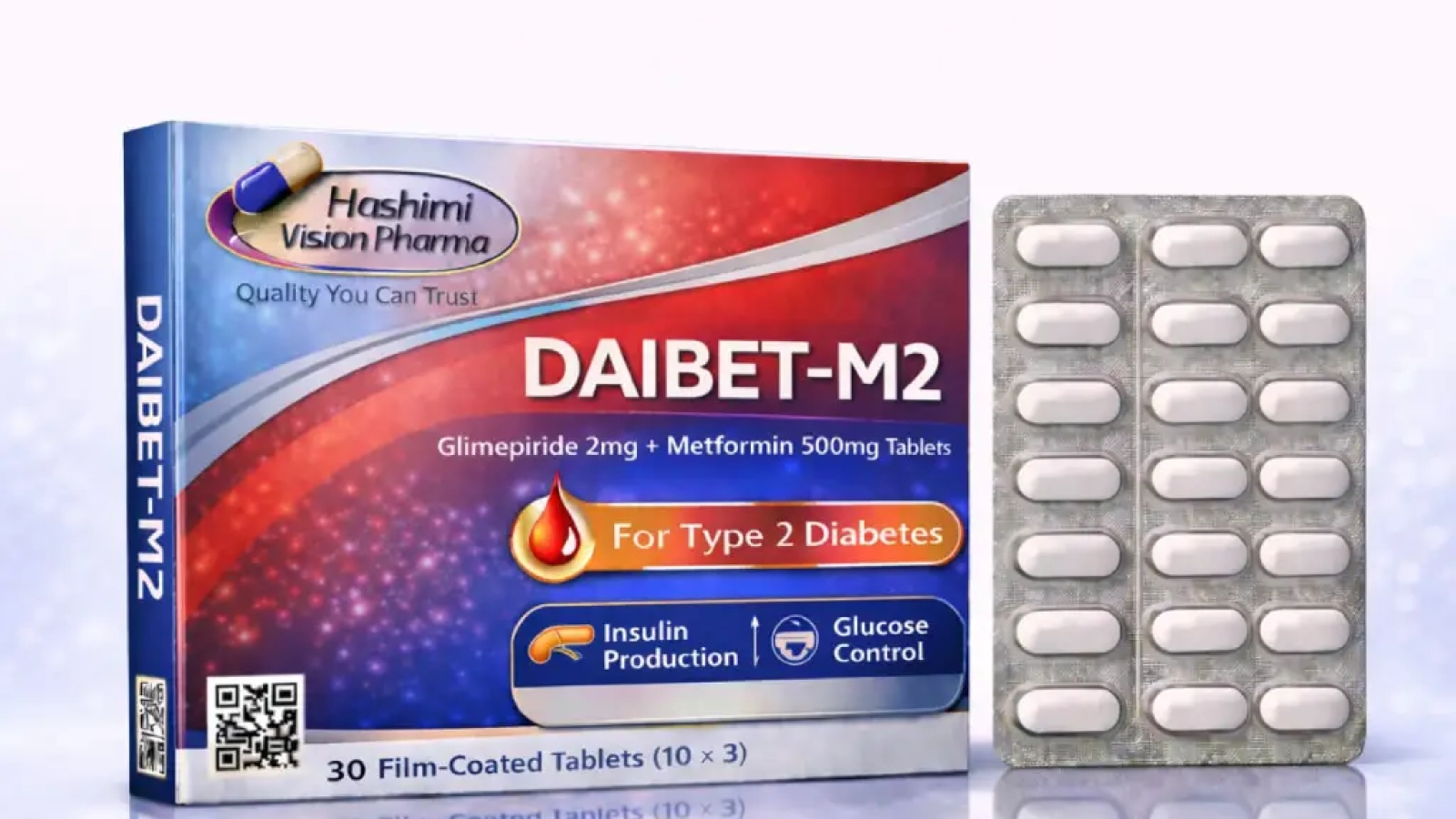
DAIBET-M2 Tablets

DAIBET-M2 Tablets
Generic Name:
Glimepiride 2 mg + Metformin Hydrochloride 500 mg
Therapeutic Group:
Antidiabetic Combination
Drug Category:
Sulfonylurea (Insulin Secretagogue) + Biguanide
Content / Composition:
Each film-coated tablet contains:
Glimepiride …………………………… 2 mg
Metformin Hydrochloride ………… 500 mg
Excipients ……………………………… q.s.
Indications:
DAIBET-M2 is indicated for:
Type 2 Diabetes Mellitus
Patients inadequately controlled with monotherapy
Improvement of glycemic control (fasting and postprandial glucose)
Combination therapy to enhance insulin secretion and reduce hepatic glucose production
Dosage:
One tablet once or twice daily with meals
Dose should be individualized based on blood glucose levels
Maximum dose determined by physician
Gradual dose titration recommended
Contraindications:
Type 1 Diabetes Mellitus
Diabetic ketoacidosis
Severe renal impairment (eGFR <30 mL/min)
Severe hepatic disease
Hypersensitivity to sulfonylureas or metformin
Conditions predisposing to lactic acidosis
Pregnancy and lactation
Administration:
Administer orally with meals to reduce gastrointestinal side effects
Swallow whole with water
Do not skip meals (risk of hypoglycemia)
Drug Interactions:
Increased hypoglycemic effect with insulin, NSAIDs, and certain antibiotics
Metformin interaction with contrast media (risk of lactic acidosis)
Reduced effect with corticosteroids, diuretics, and oral contraceptives
Alcohol increases risk of hypoglycemia and lactic acidosis
Compatibility:
Suitable for combination with insulin or other oral antidiabetic agents
Compatible with comprehensive diabetes management plans
Stability / Storage:
Store below 25°C
Protect from heat, moisture, and light
Keep out of reach of children
Precautions:
Risk of hypoglycemia (due to glimepiride)
Risk of lactic acidosis (due to metformin)
Monitor renal function regularly
Use cautiously in elderly patients
Suspend before major surgery or contrast imaging procedures
Lifestyle modification (diet & exercise) is essential
Side Effects:
Common:
Hypoglycemia
Gastrointestinal upset (nausea, diarrhea)
Headache
Dizziness
Uncommon:
Weight changes
Vitamin B12 deficiency (long-term use)
Serious (Rare):
Lactic acidosis
Severe hypoglycemia
Allergic reactions
Important Note:
DAIBET-M2 is a fixed-dose combination used for glycemic control in Type 2 Diabetes Mellitus. It should be used under strict medical supervision. This information is intended for healthcare professionals and educational purposes only.
WhatsApp-Image-2026-04-11-at-7.18.28-AM (33)

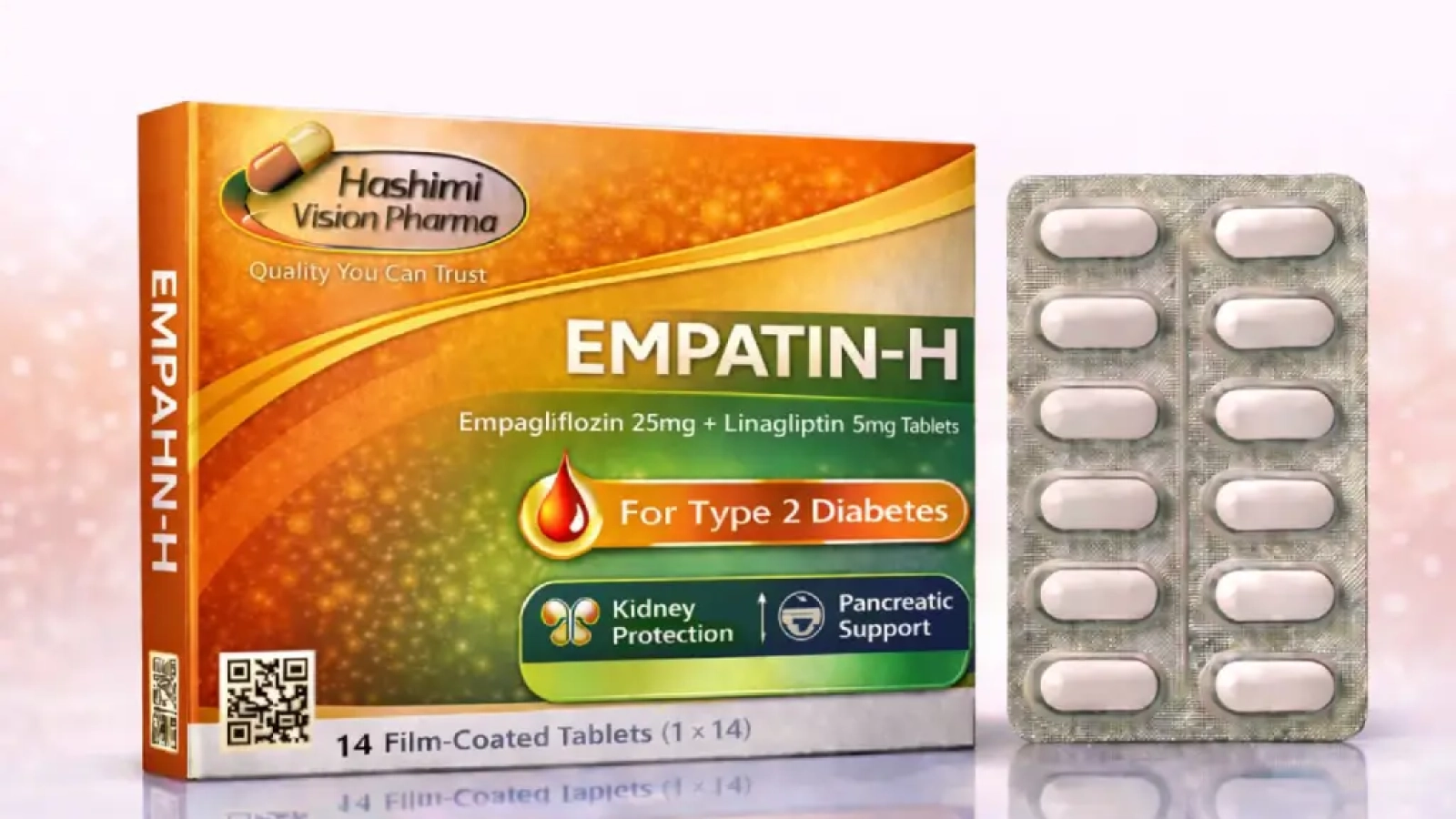
EMPATIN-H Tablets

EMPATIN-H Tablets
Generic Name:
Empagliflozin 25 mg + Linagliptin 5 mg
Therapeutic Group:
Antidiabetic Combination
Drug Category:
SGLT2 Inhibitor + DPP-4 Inhibitor
Content / Composition:
Each film-coated tablet contains:
Empagliflozin …………………………… 25 mg
Linagliptin ……………………………… 5 mg
Excipients ……………………………… q.s.
Indications:
EMPATIN-H is indicated for:
Type 2 Diabetes Mellitus
Improvement of glycemic control in adults inadequately controlled on monotherapy
Reduction of cardiovascular risk in patients with Type 2 Diabetes
Renal protection in diabetic patients (as part of comprehensive care)
Dosage:
One tablet once daily
Can be taken with or without food
Dose adjustment based on renal function and clinical response
As directed by the physician
Contraindications:
Hypersensitivity to empagliflozin or linagliptin
Type 1 Diabetes Mellitus
Diabetic ketoacidosis
Severe renal impairment (eGFR <30 mL/min)
Pregnancy and lactation
Administration:
Administer orally with water
Take at the same time each day
Maintain adequate hydration
Drug Interactions:
Increased risk of hypoglycemia with insulin or sulfonylureas
Diuretics may increase risk of dehydration
Rifampicin may reduce linagliptin effectiveness
Monitor when used with antihypertensive drugs
Compatibility:
Suitable for combination with metformin, insulin, or other antidiabetic agents
Compatible with comprehensive diabetes management protocols
Stability / Storage:
Store below 25°C
Protect from light, heat, and moisture
Keep out of reach of children
Precautions:
Risk of dehydration and hypotension (due to SGLT2 inhibitor)
Monitor renal function regularly
Risk of genital and urinary tract infections
Monitor blood glucose levels regularly
Educate patients about signs of ketoacidosis (rare but serious)
Use cautiously in elderly patients
Side Effects:
Common:
Increased urination
Genital infections
Urinary tract infections
Headache
Uncommon:
Hypoglycemia (especially with combination therapy)
Dizziness
Dehydration
Serious (Rare):
Diabetic ketoacidosis
Severe infections
Allergic reactions
Important Note:
EMPATIN-H is a modern fixed-dose combination for Type 2 Diabetes offering glycemic control with cardiovascular and renal benefits. It should be used under medical supervision. This information is intended for healthcare professionals and educational purposes only.
WhatsApp-Image-2026-04-11-at-7.18.28-AM (31)

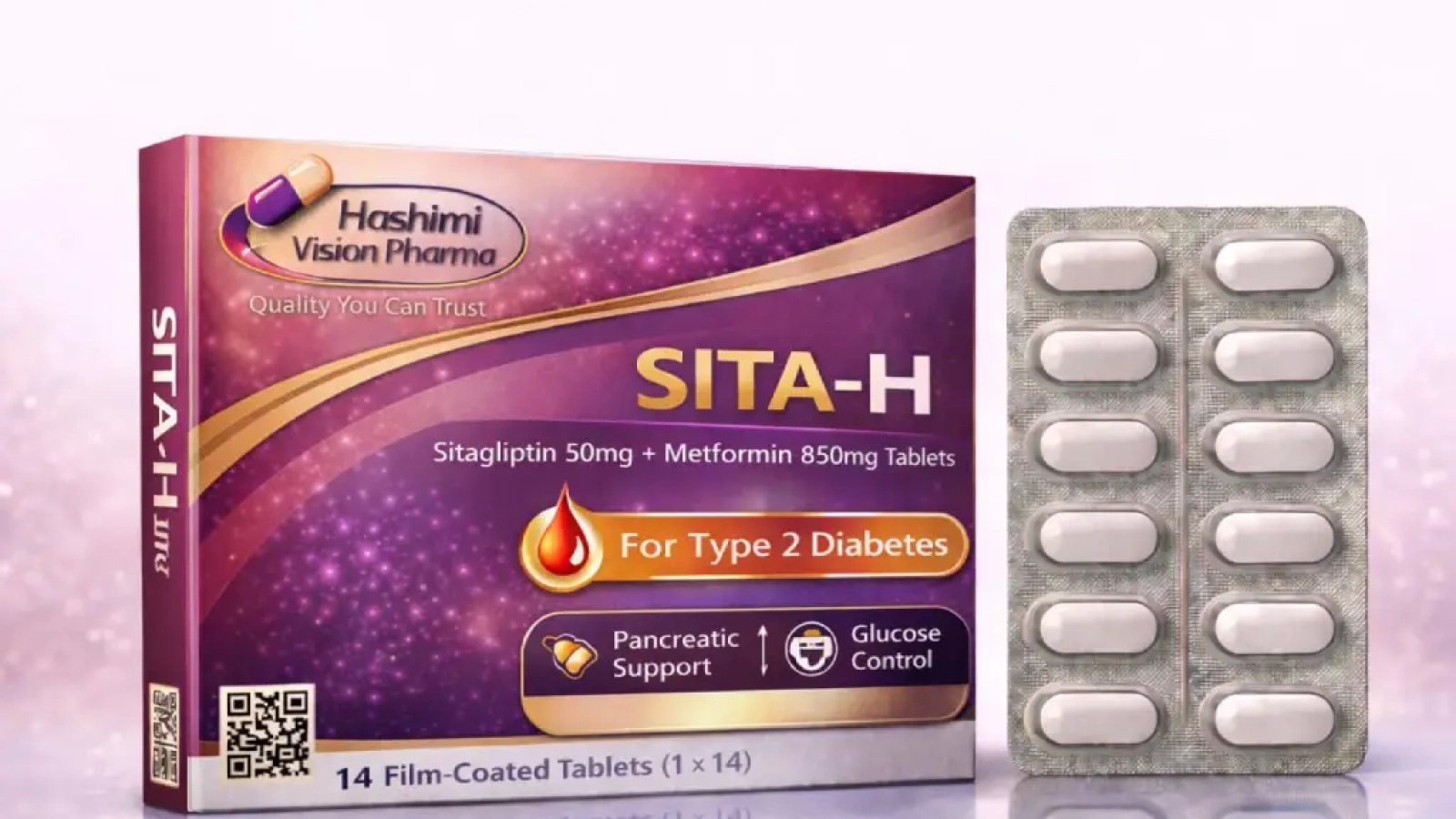
SITA-H Tablets

SITA-H Tablets
Generic Name:
Sitagliptin 50 mg + Metformin Hydrochloride 850 mg
Therapeutic Group:
Antidiabetic Combination
Drug Category:
DPP-4 Inhibitor + Biguanide
Content / Composition:
Each film-coated tablet contains:
Sitagliptin ……………………………… 50 mg
Metformin Hydrochloride ………… 850 mg
Excipients ……………………………… q.s.
Indications:
SITA-H is indicated for:
Type 2 Diabetes Mellitus
Patients inadequately controlled with metformin or other oral antidiabetics
Improvement of glycemic control (fasting and postprandial glucose)
Combination therapy to enhance insulin secretion and reduce hepatic glucose production
Dosage:
One tablet twice daily with meals (or as directed by physician)
Dose should be individualized based on glycemic response
Gradual titration recommended to reduce gastrointestinal side effects
Contraindications:
Type 1 Diabetes Mellitus
Diabetic ketoacidosis
Severe renal impairment (eGFR <30 mL/min)
Severe hepatic disease
Hypersensitivity to sitagliptin or metformin
Conditions predisposing to lactic acidosis
Pregnancy and lactation
Administration:
Administer orally with meals
Swallow whole with water
Avoid skipping meals
Drug Interactions:
Increased risk of hypoglycemia with insulin or sulfonylureas
Metformin interaction with iodinated contrast agents
Reduced efficacy with corticosteroids and diuretics
Alcohol increases risk of lactic acidosis
Compatibility:
Suitable for combination with insulin or other oral antidiabetic agents
Compatible with comprehensive diabetes management plans
Stability / Storage:
Store below 25°C
Protect from heat, moisture, and light
Keep out of reach of children
Precautions:
Risk of lactic acidosis (metformin component)
Monitor renal function regularly
Risk of pancreatitis (rare with sitagliptin)
Monitor blood glucose levels
Use cautiously in elderly patients
Suspend before surgery or contrast imaging procedures
Side Effects:
Common:
Gastrointestinal disturbances (nausea, diarrhea)
Headache
Hypoglycemia (with combination therapy)
Uncommon:
Dizziness
Fatigue
Serious (Rare):
Lactic acidosis
Pancreatitis
Hypersensitivity reactions
Important Note:
SITA-H is a fixed-dose combination for effective glycemic control in Type 2 Diabetes Mellitus. It should be used under medical supervision. This information is intended for healthcare professionals and educational purposes only.
WhatsApp-Image-2026-04-11-at-7.18.28-AM (30)

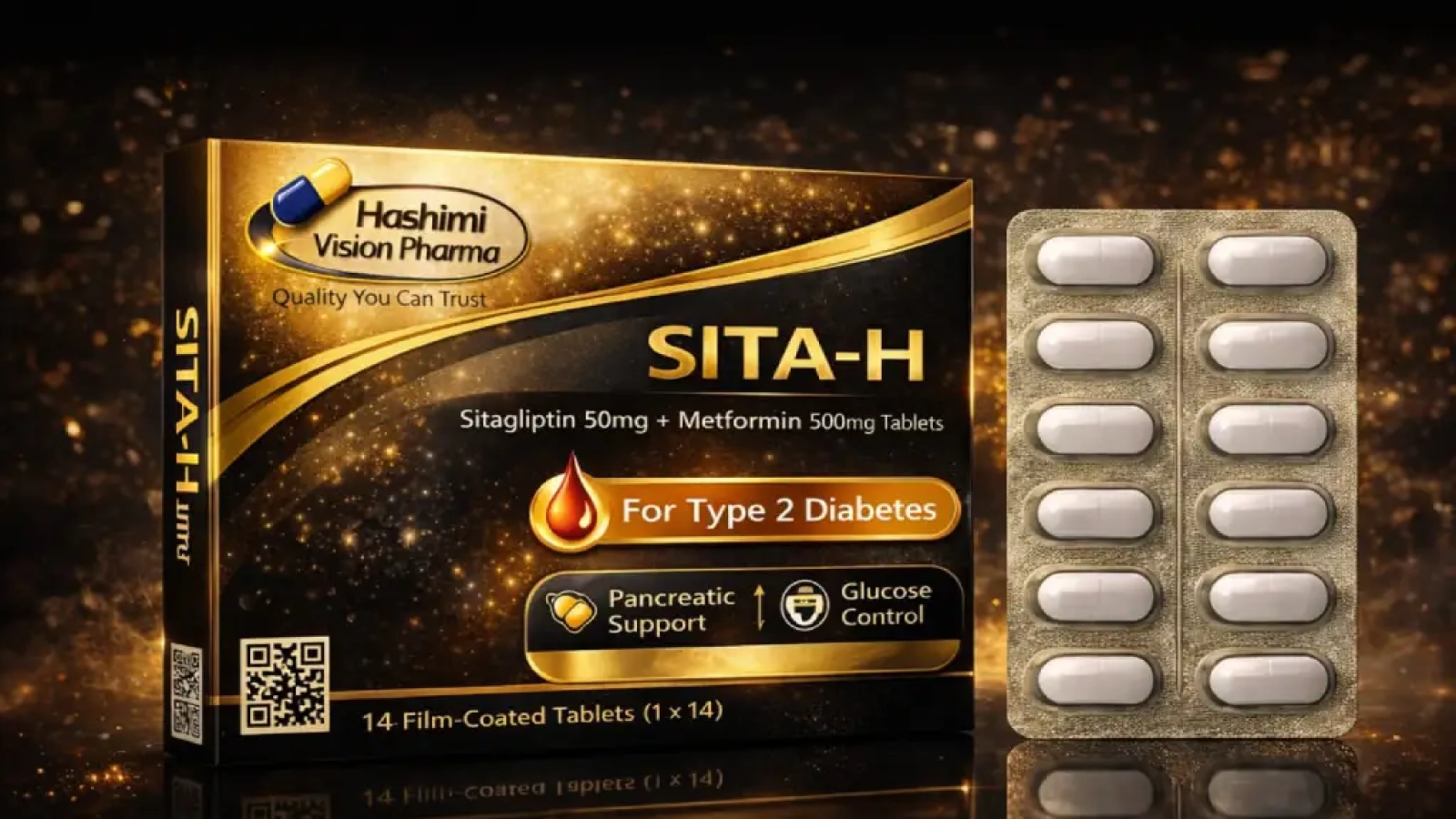
SITA-H Tablets

SITA-H Tablets
Generic Name:
Sitagliptin 50 mg + Metformin Hydrochloride 500 mg
Therapeutic Group:
Antidiabetic Combination
Drug Category:
DPP-4 Inhibitor + Biguanide
Content / Composition:
Each film-coated tablet contains:
Sitagliptin ……………………………… 50 mg
Metformin Hydrochloride ………… 500 mg
Excipients ……………………………… q.s.
Indications:
SITA-H is indicated for:
Type 2 Diabetes Mellitus
Patients inadequately controlled on metformin or other oral antidiabetic agents
Improvement of glycemic control (fasting and postprandial glucose)
Combination therapy to enhance insulin secretion and reduce hepatic glucose production
Dosage:
One tablet twice daily with meals (or as directed by physician)
Dose should be individualized based on glycemic response
Gradual titration recommended to minimize gastrointestinal side effects
Contraindications:
Type 1 Diabetes Mellitus
Diabetic ketoacidosis
Severe renal impairment (eGFR <30 mL/min)
Severe hepatic disease
Hypersensitivity to sitagliptin or metformin
Conditions predisposing to lactic acidosis
Pregnancy and lactation
Administration:
Administer orally with meals
Swallow whole with water
Do not skip meals
Drug Interactions:
Increased risk of hypoglycemia with insulin or sulfonylureas
Metformin interaction with iodinated contrast media
Reduced efficacy with corticosteroids and diuretics
Alcohol increases risk of lactic acidosis
Compatibility:
Suitable for combination with insulin or other oral antidiabetic agents
Compatible with comprehensive diabetes management protocols
Stability / Storage:
Store below 25°C
Protect from heat, moisture, and light
Keep out of reach of children
Precautions:
Risk of lactic acidosis (metformin component)
Monitor renal function regularly
Risk of pancreatitis (rare with sitagliptin)
Monitor blood glucose levels
Use cautiously in elderly patients
Suspend before surgery or contrast imaging procedures
Side Effects:
Common:
Gastrointestinal disturbances (nausea, diarrhea)
Headache
Hypoglycemia (when used with other agents)
Uncommon:
Dizziness
Fatigue
Serious (Rare):
Lactic acidosis
Pancreatitis
Hypersensitivity reactions
Important Note:
SITA-H is a fixed-dose combination for effective glycemic control in Type 2 Diabetes Mellitus. It should be used under strict medical supervision. This information is intended for healthcare professionals and educational purposes only.
WhatsApp-Image-2026-04-11-at-7.18.28-AM (29)

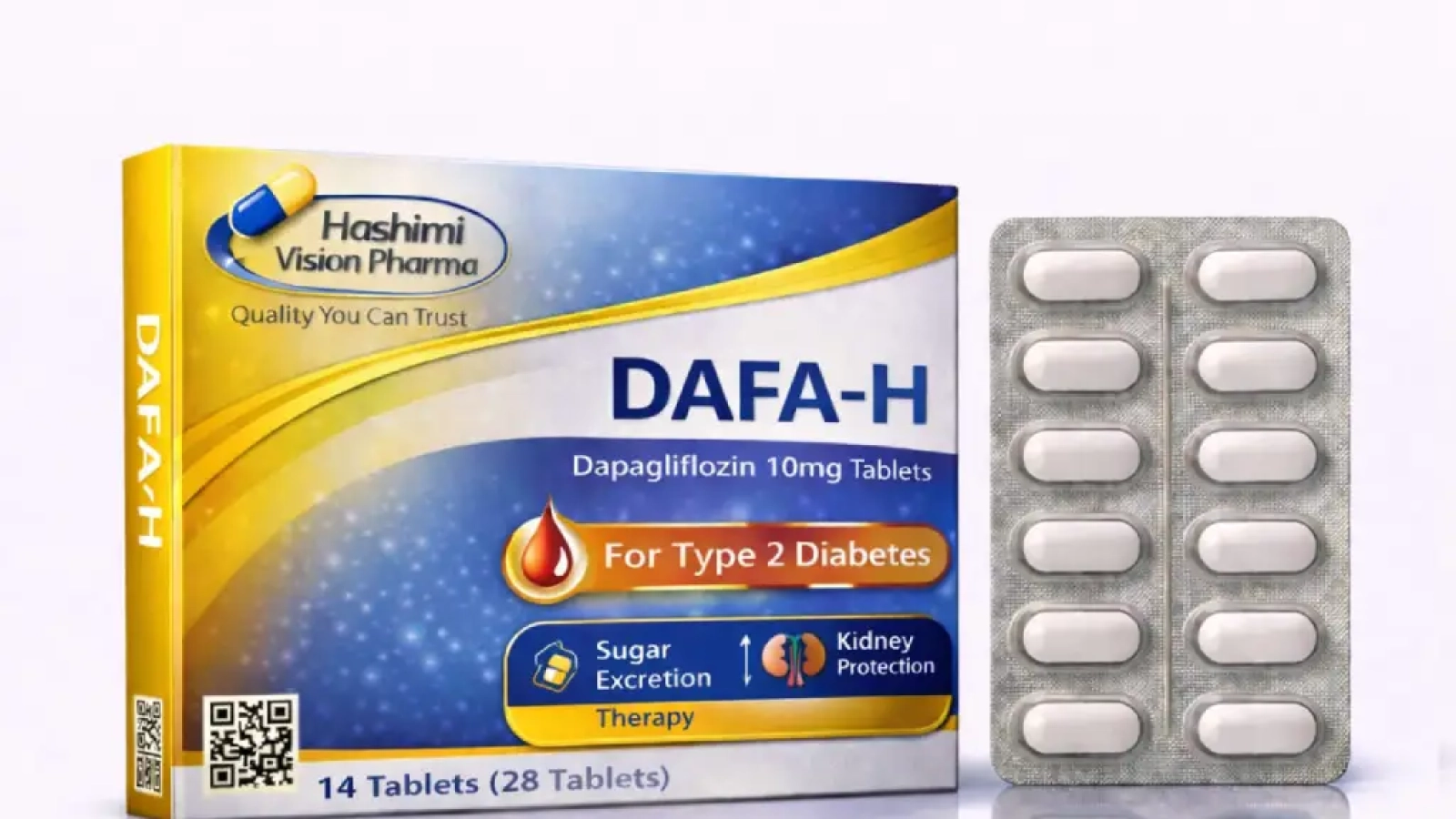
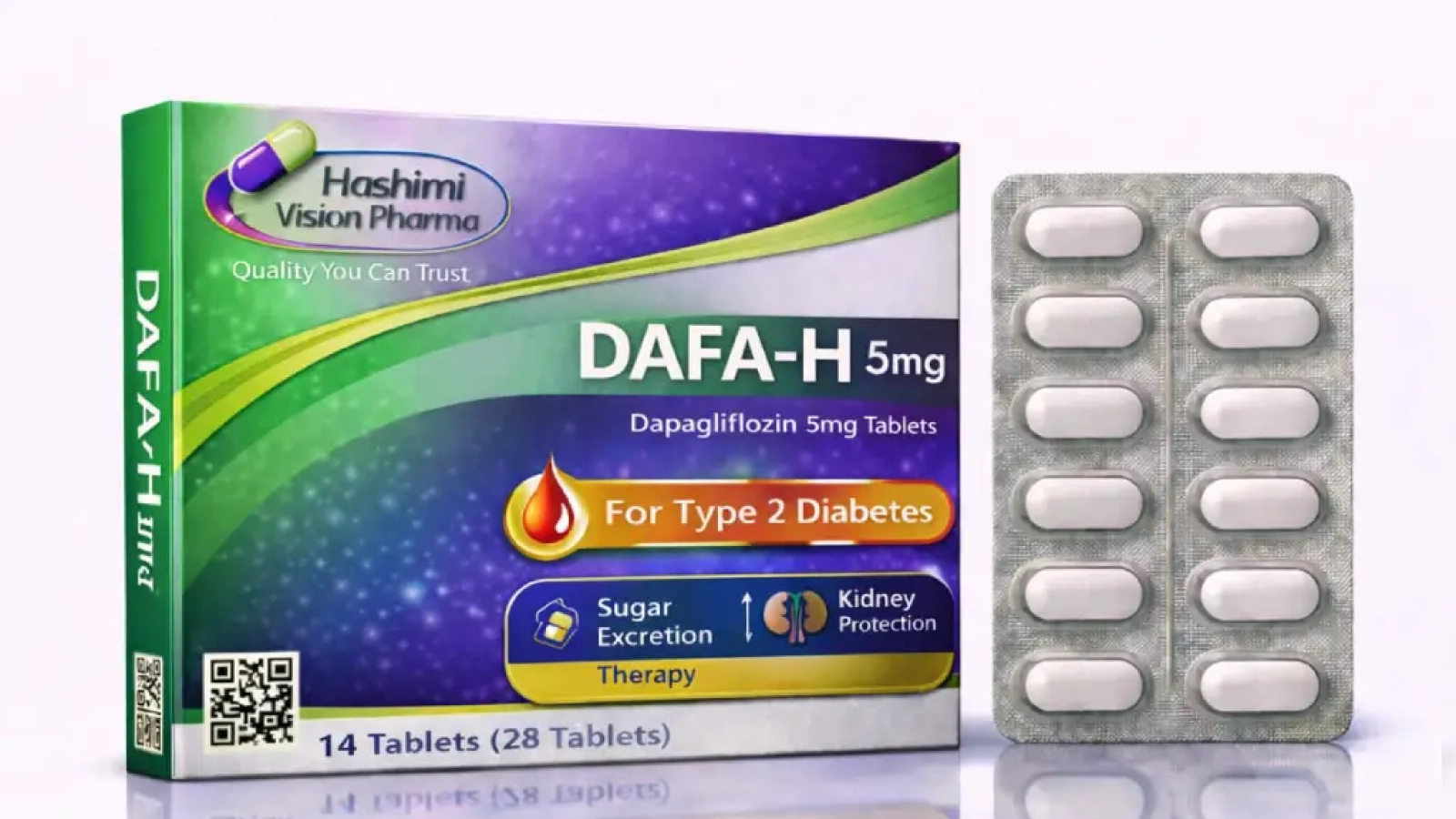
DAFA-H 5 mg Tablets

[11:48 PM, 4/28/2026] +93 79 666 5158: EMPATIN-H Tablets
Generic Name:
Empagliflozin 25 mg + Linagliptin 5 mg
Therapeutic Group:
Antidiabetic Combination
Drug Category:
SGLT2 Inhibitor + DPP-4 Inhibitor
Content / Composition:
Each film-coated tablet contains:
Empagliflozin …………………………… 25 mg
Linagliptin ……………………………… 5 mg
Excipients ……………………………… q.s.
Indications:
EMPATIN-H is indicated for:
Type 2 Diabetes Mellitus
Improvement of glycemic control in adults inadequately controlled on monotherapy
Reduction of cardiovascular risk in patients with Type 2 Diabetes
Renal protection in diabetic patients (as part of comprehensive care)
Dosage:
One tablet once daily
Can be taken with or without food
Dose adjustment based on renal function and clinical response
As directed by the physician
Contraindications:…
[11:50 PM, 4/28/2026] +93 79 666 5158: EMPATIN-H Tablets
Generic Name:
Empagliflozin 10 mg + Linagliptin 5 mg
Therapeutic Group:
Antidiabetic Combination
Drug Category:
SGLT2 Inhibitor + DPP-4 Inhibitor
Content / Composition:
Each film-coated tablet contains:
Empagliflozin …………………………… 10 mg
Linagliptin ……………………………… 5 mg
Excipients ……………………………… q.s.
Indications:
EMPATIN-H is indicated for:
Type 2 Diabetes Mellitus
Improvement of glycemic control in adults inadequately controlled on monotherapy
Reduction of cardiovascular risk in diabetic patients
Support of renal protection as part of comprehensive diabetes care
Dosage:
One tablet once daily
Can be taken with or without food
Dose adjustment based on renal function and clinical response
As directed by the physician
Contraindications:
Hypersensitivi…
[11:51 PM, 4/28/2026] +93 79 666 5158: SITA-H Tablets
Generic Name:
Sitagliptin 50 mg + Metformin Hydrochloride 1000 mg
Therapeutic Group:
Antidiabetic Combination
Drug Category:
DPP-4 Inhibitor + Biguanide
Content / Composition:
Each film-coated tablet contains:
Sitagliptin ……………………………… 50 mg
Metformin Hydrochloride ………… 1000 mg
Excipients ……………………………… q.s.
Indications:
SITA-H is indicated for:
Type 2 Diabetes Mellitus
Patients inadequately controlled with metformin alone or other oral agents
Improvement of glycemic control (fasting and postprandial glucose)
Combination therapy to enhance insulin secretion and reduce hepatic glucose production
Dosage:
One tablet twice daily with meals (or as directed by physician)
Dose should be individualized based on glycemic response
Gradual titration recomme…
[11:53 PM, 4/28/2026] +93 79 666 5158: SITA-H Tablets
Generic Name:
Sitagliptin 50 mg + Metformin Hydrochloride 850 mg
Therapeutic Group:
Antidiabetic Combination
Drug Category:
DPP-4 Inhibitor + Biguanide
Content / Composition:
Each film-coated tablet contains:
Sitagliptin ……………………………… 50 mg
Metformin Hydrochloride ………… 850 mg
Excipients ……………………………… q.s.
Indications:
SITA-H is indicated for:
Type 2 Diabetes Mellitus
Patients inadequately controlled with metformin or other oral antidiabetics
Improvement of glycemic control (fasting and postprandial glucose)
Combination therapy to enhance insulin secretion and reduce hepatic glucose production
Dosage:
One tablet twice daily with meals (or as directed by physician)
Dose should be individualized based on glycemic response
Gradual titration recommen…
[11:56 PM, 4/28/2026] +93 79 666 5158: SITA-H Tablets
Generic Name:
Sitagliptin 50 mg + Metformin Hydrochloride 500 mg
Therapeutic Group:
Antidiabetic Combination
Drug Category:
DPP-4 Inhibitor + Biguanide
Content / Composition:
Each film-coated tablet contains:
Sitagliptin ……………………………… 50 mg
Metformin Hydrochloride ………… 500 mg
Excipients ……………………………… q.s.
Indications:
SITA-H is indicated for:
Type 2 Diabetes Mellitus
Patients inadequately controlled on metformin or other oral antidiabetic agents
Improvement of glycemic control (fasting and postprandial glucose)
Combination therapy to enhance insulin secretion and reduce hepatic glucose production
Dosage:
One tablet twice daily with meals (or as directed by physician)
Dose should be individualized based on glycemic response
Gradual titration reco…
[11:57 PM, 4/28/2026] +93 79 666 5158: DAFA-H 5 mg Tablets
Generic Name:
Dapagliflozin 5 mg
Therapeutic Group:
Antidiabetic Agent
Drug Category:
SGLT2 Inhibitor (Sodium-Glucose Co-Transporter 2 Inhibitor)
Content / Composition:
Each film-coated tablet contains:
Dapagliflozin …………………………… 5 mg
Excipients ……………………………… q.s.
Indications:
DAFA-H is indicated for:
Type 2 Diabetes Mellitus
Improvement of glycemic control as monotherapy or in combination
Reduction of cardiovascular risk in patients with diabetes
Renal protection in diabetic patients
Adjunct therapy with diet and exercise
Dosage:
Usual dose: 5 mg once daily
May be increased to 10 mg once daily based on response
Taken once daily at any time, with or without food
As directed by the physician
Contraindications:
Hypersensitivity to dapagliflozin
Type 1 Diabetes Mellitus
Diabetic ketoacidosis
Severe renal impairment (eGFR <30 mL/min)
Pregnancy and lactation
Administration:
Administer orally with water
Maintain adequate hydration
Take at the same time each day
Drug Interactions:
Diuretics may increase risk of dehydration and hypotension
Increased risk of hypoglycemia when combined with insulin or sulfonylureas
Caution with antihypertensive medications
Compatibility:
Suitable for combination with metformin, insulin, or other oral antidiabetic agents
Compatible with long-term diabetes management protocols
Stability / Storage:
Store below 25°C
Protect from light, heat, and moisture
Keep out of reach of children
Precautions:
Risk of dehydration and hypotension
Monitor renal function regularly
Increased risk of genital and urinary tract infections
Educate patients about signs of ketoacidosis (rare but serious)
Use cautiously in elderly patients
Side Effects:
Common:
Increased urination
Genital infections
Urinary tract infections
Thirst
Uncommon:
Dizziness
Hypotension
Dehydration
Serious (Rare):
Diabetic ketoacidosis
Acute kidney injury
Severe infections
Important Note:
DAFA-H is an SGLT2 inhibitor used for glycemic control and offers cardiovascular and renal benefits. It should be used under medical supervision. This information is intended for healthcare professionals and educational purposes only.
WhatsApp-Image-2026-04-11-at-7.18.28-AM (28)

DAFA-H 10 mg Tablets

DAFA-H 10 mg Tablets
Generic Name:
Dapagliflozin 10 mg
Therapeutic Group:
Antidiabetic Agents
Drug Category:
SGLT2 Inhibitor (Sodium-Glucose Co-Transporter 2 Inhibitor)
Content / Composition:
Each film-coated tablet contains:
Dapagliflozin …………………………… 10 mg
Excipients ……………………………… q.s.
Indications:
DAFA-H is indicated for:
Type 2 Diabetes Mellitus
Improvement of glycemic control as monotherapy or combination therapy
Reduction of cardiovascular events in high-risk patients
Chronic kidney disease (CKD) management in diabetic patients
Adjunct to diet and exercise
Dosage:
Recommended dose: 10 mg once daily
Taken once daily at any time of the day
Can be taken with or without food
Dose adjustment may be required based on renal function
As directed by the physician
Contraindications:
Hypersensitivity to dapagliflozin or any component
Type 1 Diabetes Mellitus
Diabetic ketoacidosis
Severe renal impairment (eGFR <30 mL/min/1.73 m²)
Pregnancy and breastfeeding
Administration:
Oral administration with sufficient water
Maintain adequate hydration
Preferably taken at the same time daily
Drug Interactions:
Diuretics: Increased risk of dehydration and hypotension
Insulin or sulfonylureas: Increased risk of hypoglycemia
Antihypertensives: May enhance hypotensive effect
Monitor renal function when used with nephrotoxic drugs
Compatibility:
Can be safely combined with metformin, DPP-4 inhibitors, insulin, and other antidiabetic agents
Suitable for long-term diabetes management strategies
Stability / Storage:
Store below 25°C
Protect from moisture, light, and heat
Keep out of reach of children
Precautions:
Risk of dehydration and hypotension
Monitor kidney function before and during treatment
Increased risk of urinary and genital infections
Rare risk of diabetic ketoacidosis (even with normal glucose levels)
Use with caution in elderly patients
Side Effects:
Common:
Increased urination
Genital fungal infections
Urinary tract infections
Thirst
Uncommon:
Dizziness
Hypotension
Dehydration
Serious (Rare):
Diabetic ketoacidosis
Acute kidney injury
Severe urinary/genital infections
Clinical Note:
DAFA-H (Dapagliflozin) is an advanced SGLT2 inhibitor that not only improves glycemic control but also provides significant cardiovascular and renal protection benefits. It is widely recommended in modern diabetes management guidelines.